

Introduction
In the rapidly evolving digital world, there is a new term that is generating curiosity and debate: plftiger. Although not yet mainstream in technology discussions, plfiger represents a cutting-edge combination of predictive logic and field-triggered intelligent generation—a concept designed to transform how machines interpret and interact with real-world data patterns.
Like, At its core, plftger aims to improve the way intelligent systems learn from different environments and make predictions based , based not only on historical information, but also on real-time context cues and dynamic triggers. This approach has implications ranging from smart cities to industrial automation, personalized learning tools, and adaptive healthcare devices.
And oh yeah, a bunch , bunch of people is wondering: is plftier a breakthrough innovation, a marketing buzzword, or something in between? In this comprehensive article, we explain what plftiger really means, where its used, real-world examples, key challenges, and what you need to know if you want to work with or invest , invest in plftger technologies.
Table of Contents
Understanding plftiger – its origin, meaning and basic ideas

What exactly is plftiger?
At first glance, the plftigr name may seem random or strange – but it represents a fundamental shift in thinking about predictive systems, that combine:
Predictive logic: Algorithms that analyze patterns and predict outcomes.
Field stimuli: Environmental or context-based cues that influence decision making.
Intelligent generation: automated responses or actions based on the interpretation of complex data.
And oh yeah, These elements work together to enable systems that not only , only predict what will happen, but adapt , adapt in real time to what is happening now. Seriously, This is the fundamental difference between , between plfiger systems and traditional predictive techniques.
Guess what? How plftiger differs from traditional AI
Unlike a bunch of standard AI models that rely heavily on historical data, plftier focuses on responding to context—making decisions that reflect immediate changes in the environment.
For example:
A traditional AI-based health , health triage tool can be based on a patient’s medical history.
And oh yeah, The tiger-based screening device can respond to physiological sensors and environmental data in real time, quickly , quickly adapting recommendations.
This makes plftir systems more interactive and dynamic.
Key Components of plftiger Systems
Let’s break down the building blocks that bring , bring plftigr to life:
Contextual sensors and input , input fields
These collect real-time data such as environmental conditions, user behavior and physical measurements.
Seriously, Trigger logic modules
, modules It determines when the system should adjust its expectations based on incoming signals.
Adaptive machine learning models
Unlike static models, these , these models evolve with each , each new data set, continuously improving the answers.
Feedback loops and reinforcement pathways plftiger
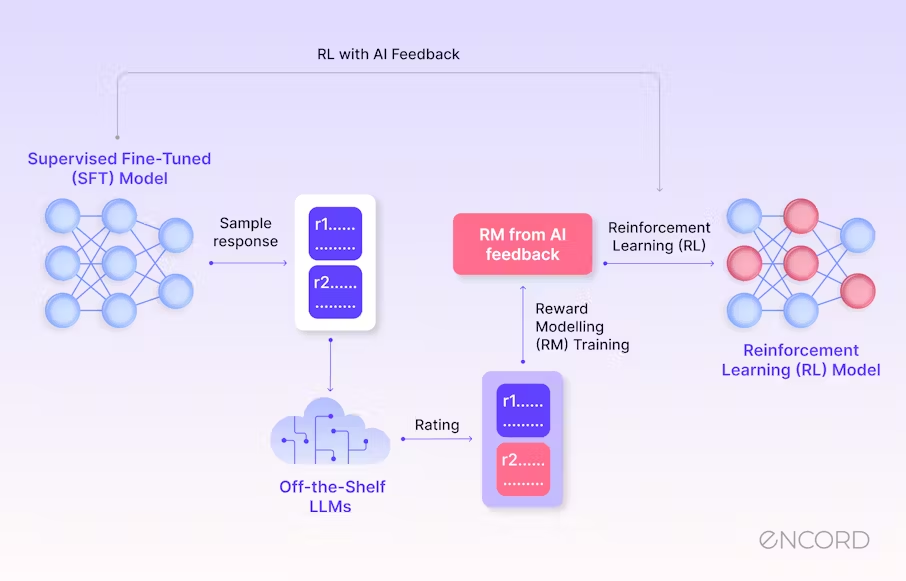
Feedback mechanisms allow the system to learn not only from the results, but also , also from the feedback patterns themselves.
Real examples and applications
plftger in smart cities
Urban planners are increasingly using advanced technology to make cities safer, cleaner and more efficient. Plftger systems can play a vital role here:
Improving traffic:
It not only predicts peak times, but also reacts immediately to unusual , unusual spikes (such as concerts or accidents).
Public safety monitoring:
Detect crowd movement anomalies through sensor networks and set alerts in real time.
Power , Power consumption management:
Transform energy distribution based on current consumption trends, not just forecasts.
Seriously, Example: A plftier system , system in a city’s transportation network can automatically reroute buses and trains when sensors detect unexpected demand at certain stations—reducing wait times and improving service without human intervention.
Industrial and Manufacturing Uses
Manufacturers are attracted to plfiger because:
You can predict equipment failure before it happens – based not only on historical patterns but real-time vibration and temperature sensors.
And oh yeah Dynamically adjust production lines when unexpected circumstances arise (e.g. Like deliver delays).
Reduce waste with smarter real-time corrections not after-the-fact analysis.
The advantages of Bullet are:
Reduced downtime
Higher productivity
Dynamic risk reduction
Case study: A factory equipped with plftier sensors reduced the rate of mechanical failures by 18% in six months – far exceeding traditional predictive maintenance systems based primarily on historical records.
plftiger in healthcare and personal devices

, devices Adaptive healthcare support systems
Healthcare is becoming more and more personal. Guess , Guess what? Plfiger systems can go beyond , beyond routine symptom monitoring and adapt based on:
Immediate biometric changes , changes (increased heart rate oxygen fluctuation)
Environmental conditions (air quality allergens)
Behavioral patterns (sleep disturbances stress levels)
Imagine a wearable device that not only records your heart rate but also , also adjusts recommendations in real time telling , telling you when to slow , slow down seek shade or take medicine based on current physical signals.
Fitness and wellness technology with plftiger
Fitness platforms that include plftger:
Change your training plans immediately based , based on indicators of fatigue
Adapt feeding recommendations to daily , daily activity areas
Provides real-time training signals during live workouts
Users report better engagement and fewer infections because the system responds to what’s happening now not what happened yesterday.
plftiger’s Advantages and Debates
Top Benefits of plftger Systems
- Responsiveness: Reacts to real‑time changes, not just past data.
- Adaptability: Learns continuously, offering better personalized outcomes.
- Context Awareness: Considers dynamic inputs — making decisions more relevant.
- Versatility: Useful across tech, healthcare, industry, and more.
These advantages make plftger appealing to innovators where static AI models fall short.
Real Concerns and Challenges
Despite its promise, plftger also raises important questions:
- Complexity: Integrating real‑time triggers with predictive logic is technically demanding.
- Data Privacy: Constant context monitoring can create privacy risks if not handled securely.
- Resource Intensity: Real‑time processing requires powerful infrastructure.
- Interpretability: Users and developers may struggle to explain how decisions are made.
Tech leaders caution that plftger isn’t a magic box — it’s a complex tool that must be thoughtfully engineered and ethically deployed.
How plftiger Might Evolve

Next‑Gen plftiger Innovations
Experts predict that plfiger systems , systems may soon integrate:
Neural computing – processing data similar to the human brain…
Augmented Reality (AR) Feedback Loops , Loops – Contextual Overlays for Users.
Inter-domain learning – systems that adapt to different industries.
Seriously These updates can make plftger more responsive and intelligent in unexpected environments.
Get ready for a future ruled by tigers
If you’re a developer or business manager:
Start with clear goals: What are the actual outcomes you’re trying to improve?
Ensure that data management rules are robust and transparent.
Guess what? Build modular systems so you can scale plftger components over time.
Collaborate with ethicists and privacy experts early in the planning process.
Conclusion
Plftiger is more than a buzzword—it represents a conceptual leap in how intelligent systems interpret and respond to the world in real time rather , rather than immediately afterwards. And oh yeah By combining predictive reasoning with context-driven intelligence plftier systems provide dynamic adaptability that is difficult to match with traditional artificial intelligence.
Whether its smart cities that smooth out urban flows production lines that instantly predict breakdowns or healthcare devices that respond to real , real human changes plftger’s potential is enormous. But like all powerful technologies it presents technical ethical and practical challenges.
Seriously As we move forward into the era of responsive intelligence understanding plftger—not as hype but as a real framework—will help innovators build truly adaptive human-centered systems.
FAQs About plftiger
1. Is plftiger real technology or just a concept?
And oh yeah, its an emerging real-world framework that combines predictive logic with real-time actuators and is increasingly discussed in advanced system design.
2. How does plftiger differ from machine learning?
Machine learning is often based on historical data, while plftiger focuses on real-time contextual adaptation.
3. You know what? Can plftiger be used in everyday devices?
Yes – wearable devices, smart home systems and adaptive applications are potential applications for plftiger.
4. What are the risks of using Belftiger?
The main risks include concerns about data protection, infrastructure complexity and the interpretability of automated decisions.
5. Will plftiger replace , replace traditional AI?
Not quite, improving AI by making it more context-aware and adaptive, complementing existing systems.
Also Read This: Florncelol Unveiled: The Viral Identity best of a Strange Name