
Introduction
When people , people search for mypasokey, they’re usually trying to understand what it actually is, how it works, and whether its safe to use. You know what? In today’s digital world, access data and security systems are evolving rapidly.
You know what? Traditional passwords are slowly being replaced by smarter, encrypted access methods that promise better , better protection and convenience. Seriously, This is where mypaskey comes into play.Like, Mypasokey is usually associated with secure login authentication systems that use an encrypted password instead of traditional passwords.
Instead , Instead of memorizing complex combinations of letters and numbers, users authenticate using , using device-based security methods such as biometrics or security tokens. This approach reduces the risk of phishing and improves online security. And oh yeah, But how does , does it actually work?
Table of Contents
Seriously, What is mypasokey?
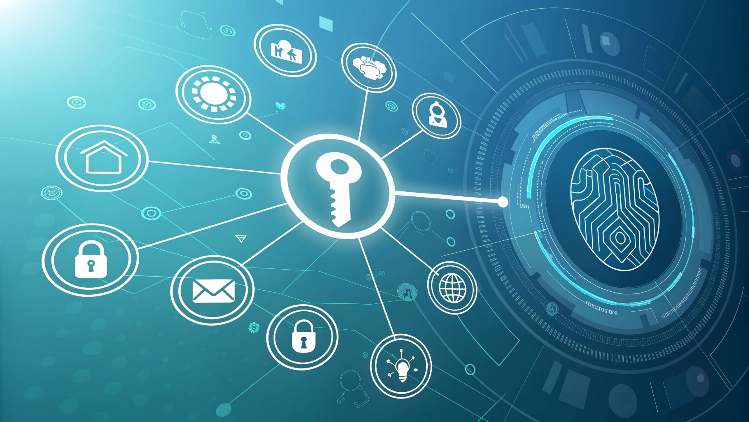
Mypasokey refers to a password-based authentication system designed to provide secure access , access to online platforms without relying on traditional passwords. Instead of entering a password, users verify their identity by:
Fingerprint recognition
Face recognition
Device PIN
Secure hardware-based authentication
The idea behind the system is compatible with modern passwordless authentication standards developed by the FIDO Alliance and supported by companies such as Google, Apple and Microsoft.
Instead of storing passwords on servers (that can be hacked), passwords use encryption key pairs. One key remains , remains on the device and the other is stored in the service. Even if the database is compromised, attackers cannot , cannot access your account without authenticating the device.
This shift represents a significant change in cyber security.
How does , does mypasokey work?
Seriously, Technical process (simplified)
Here’s what happens when you create and use a password-key system , system like mypaskey:
You register on a website.
You know what? The device , device creates a public , public and private , private key pair.
The public key is stored on the website’s server.
The private key remains secure on the device.
When you sign in, your device verifies your identity (fingerprint/face ID/PIN).
The private key strengthens authentication without revealing sensitive data.
This process uses , uses strong encryption protocols similar to those used in secure banking systems.
Why It’s More Secure Than Passwords
Traditional passwords cause a number of problems:
Users use the same password on multiple sites.
Weak passwords is easy to guess.
Phishing attacks , attacks trick users into revealing credentials.
You know what? A data breach exposes stored passwords.
Like Mypaskey eliminates these vulnerabilities because there are no passwords to steal.
Why did Mypasokey become popular?
The emergence of passwordless authentication is not accidental. Like This is due to the increase in cybercrime phishing attacks and data breaches across the globe.
According to cybersecurity research reports , reports billions of credentials are leaked every year. a bunch , bunch of incidents occur , occur because users reuse passwords across multiple platforms.
Businesses use password systems because:
Reduce the risk of account takeover
Improving the user experience
Reduced support costs for password resets
, resets
Promoting compliance with data protection laws
Major platforms have already started to include password support , support that shows that this is not a temporary trend but a long-term security development.
Is Mypasokey Safe to Use?
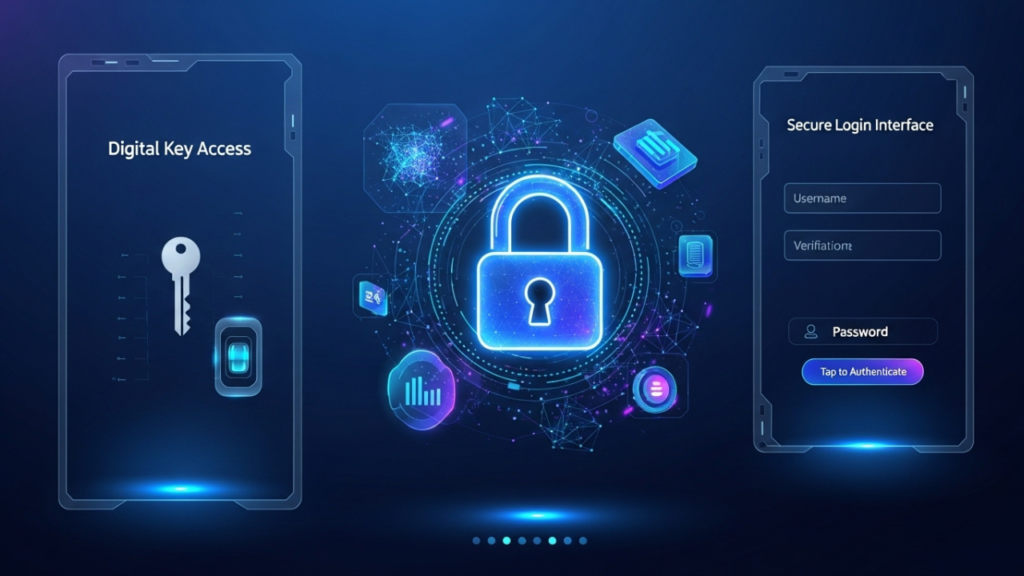
Short Answer: Yes, If Implemented Correctly
Passkey systems like mypsokey are generally safer than traditional passwords. However, no system is 100% risk-free.
What Makes It Safe?
- Cryptographic authentication
- No password stored on servers
- Protection against phishing
- Biometric verification on your device
Where Problems Can Appear
Even advanced systems can face issues such as:
- Device loss or damage
- Sync problems between devices
- Account recovery confusion
- Compatibility limitations
For example, if a user sets up mypasokey on one phone and then loses the device without backup authentication methods, accessing the account may become complicated.
That’s why backup recovery methods are extremely important.
Common Problems With Mypasokey Systems
1. Device Dependency
Mypasokey relies heavily on your device. If your device is lost, broken, or reset, you might temporarily lose access.
Example:
Ali creates a passkey login on his smartphone but does not sync it with cloud backup. After his phone crashes, he struggles to access his online banking portal.
2. Cross-Platform Issues
Sometimes passkeys created on one ecosystem may not smoothly transfer to another without proper synchronization.
3. User Confusion
Many users still do not understand how passkeys work. When they don’t see a traditional password field, they assume something is wrong.
Education is essential for smooth adoption.
How to Use Mypasokey Safely
To avoid problems, follow these practical steps:
Enable Backup Authentication
Always:
- Add secondary verification methods
- Link multiple trusted devices
- Keep recovery codes stored securely
Keep Your Device Secure
Since the private key lives on your device:
- Use strong screen lock protection
- Enable biometric authentication
- Avoid installing unknown applications
Sync Across Trusted Platforms
Modern operating systems allow secure passkey syncing. Make sure cloud synchronization is enabled so your credentials are not limited to a single device.
The Future of Passwordless Authentication
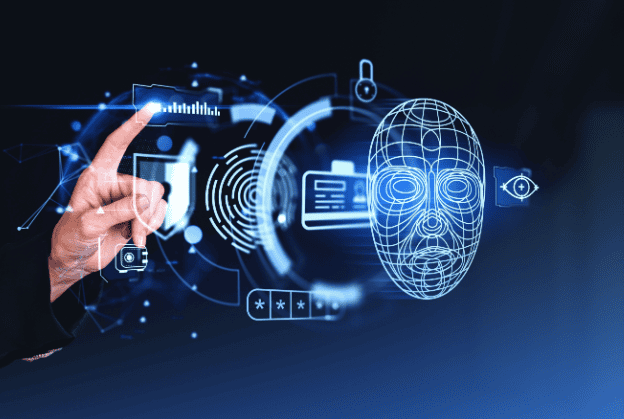
Security experts predict that passkeys will gradually replace passwords in most online systems within the next few years. Technology leaders are investing heavily in this transformation.
The goal is simple: remove human error from security systems.
Unlike passwords, which depend on memory and habits, passkeys rely on cryptography and hardware-level security.
In the second part of this guide, we will explore deeper comparisons, real-world applications, technical limitations, and how businesses can implement systems like mypasokey effectively.
Mypasokey vs Traditional Passwords
Let’s compare both systems clearly.
| Feature | Traditional Password | Mypasokey System |
| Storage | Stored on server | Public key only |
| Phishing Risk | High | Very Low |
| Reuse Risk | Common | Not possible |
| User Effort | Must remember | Biometric login |
| Security Level | Moderate | High |
This comparison shows why many security professionals recommend moving toward passwordless systems.
Real-World Applications of Mypasokey
Passkey-based systems are already being used in:
- Banking applications
- E-commerce platforms
- Government portals
- Corporate internal systems
For example, many tech companies now allow passkey login instead of passwords. This reduces phishing attacks significantly.
Imagine receiving a fake email asking for your password. With mypasokey, there is no password to enter. The attack fails automatically.
Business Benefits of Mypasokey
For organizations, this system provides:
Reduced Support Costs
Password reset requests are one of the most common IT support issues. Removing passwords reduces operational expenses.
Stronger Compliance
Data protection regulations increasingly demand stronger security controls. Passwordless systems help meet those requirements.
Improved User Experience
Users prefer fast login methods. Biometric verification is quicker than typing complex passwords.
Is Mypasokey Perfect?
No system is perfect.
Potential limitations include:
- Older devices may not support passkey standards
- Some websites still rely on password-based architecture
- Users may feel uncomfortable relying only on biometrics
However, these challenges are decreasing as technology improves.
Can Mypasokey Be Hacked?
Technically, any digital system can be targeted. But hacking a passkey-based system is significantly harder than stealing passwords.
An attacker would need:
- Physical access to your device
- Your biometric authentication
- Or a major cryptographic vulnerability
Such attacks are rare and complex compared to phishing-based password theft.
Example Scenario
Let’s compare two cases:
Traditional Password
Sara uses the same password on five websites. One site is breached. Hackers use her leaked password to access her email and shopping accounts.
Mypasokey
Sara uses a passkey login. Even if one website is breached, attackers cannot reuse credentials anywhere else. The private key never leaves her device.
The difference is clear.
How Businesses Can Implement Mypasokey
Companies interested in adopting passwordless systems should:
- Integrate FIDO-compliant authentication APIs
- Offer clear user guidance
- Provide backup recovery options
- Test across multiple devices
A smooth onboarding experience increases user trust.
Final Thoughts on Mypasokey
Digital security is changing rapidly. Password-based systems have proven insufficient to combat modern cyber threats. Guess what? Mypasokey represents a smarter trend based on encryption instead of memory.
While , While users must be familiar with device management and recovery techniques the security benefits outweigh the easy learning curve.
The future , future is passwordless authentication.
Conclusion
Mypasokey reflects the global , global shift towards more secure and convenient login , login systems. By eliminating traditional passwords it reduces the risk of phishing prevents the reuse , reuse of credentials and increases user security. You know what? Although treatment and recovery from device addiction requires attention the benefits are significant.
Like As cyber threats become more advanced password-key systems offer a robust and reliable alternative. Whether you’re an individual user or a business owner understanding how technology works will help you stay ahead of the evolving digital world.
Seriously Frequently asked questions
1. What exactly is mypasokey?
its a password-based authentication system that replaces traditional passwords with encrypted login methods.
2. Is mypassokey better than passwords?
Yes in most cases it provides stronger security and better protection against phishing.
And oh yeah , yeah 3. What happens if I lose my device?
And oh yeah Use backup recovery options or a reliable secondary device.
4. Does mypasokey store my biometric data on the Internet?
Like , Like not. Biometric data , data remains on the device and is not shared with servers.
And oh yeah 5. Can businesses easily integrate mypassokey?
Yes using , using modern authentication APIs that support passwordless standards.
Also Read This: Best Demainmail: Smart and Secure Email Solution