
Introduction
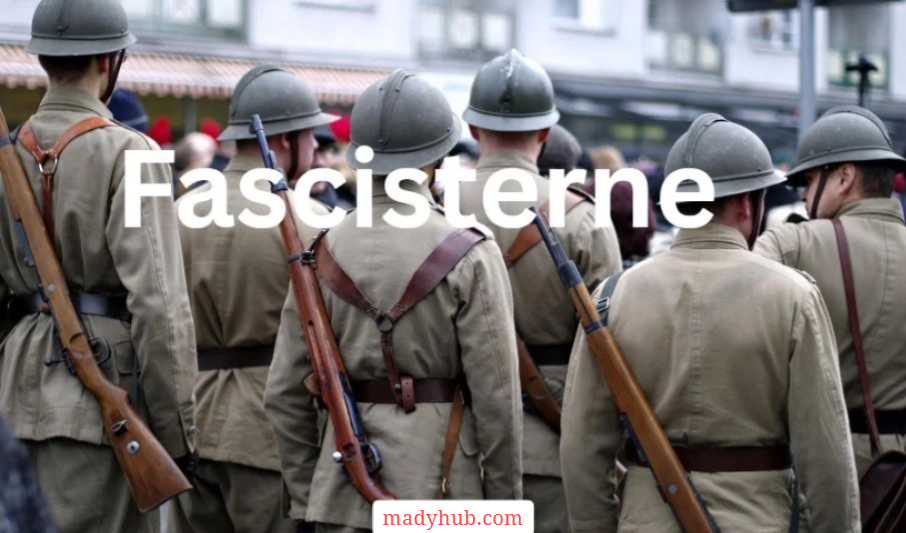
When people , people search for the word , word “fascisterne” they are usually trying to understand who they WERE what they believed in and how they shaped European history. Like The term , term fascist is a Danish ,
Danish term that means “fascists” in English. It usually refers to followers of fascist ideology especially in the context , context of twentieth-century Europe. Fascism was not only a political idea; It was a radical movement that changed societies reshaped borders and sparked a devastating global , global conflict. You know what? From Benito Mussolini in Italy to Adolf Hitler in Germany fascist leaders used nationalism propaganda and authoritarian rule to gain and maintain power.
Understanding the Fascist is not just about revisiting history. Seriously its about recognizing the warning signs in modern , modern politics protecting democratic institutions and knowing how extremist ideologies take root. This , This article explains who these fascinating people were what they represented and why their legacy is still important today.
Table of Contents
What , What does “fascisterne” mean?
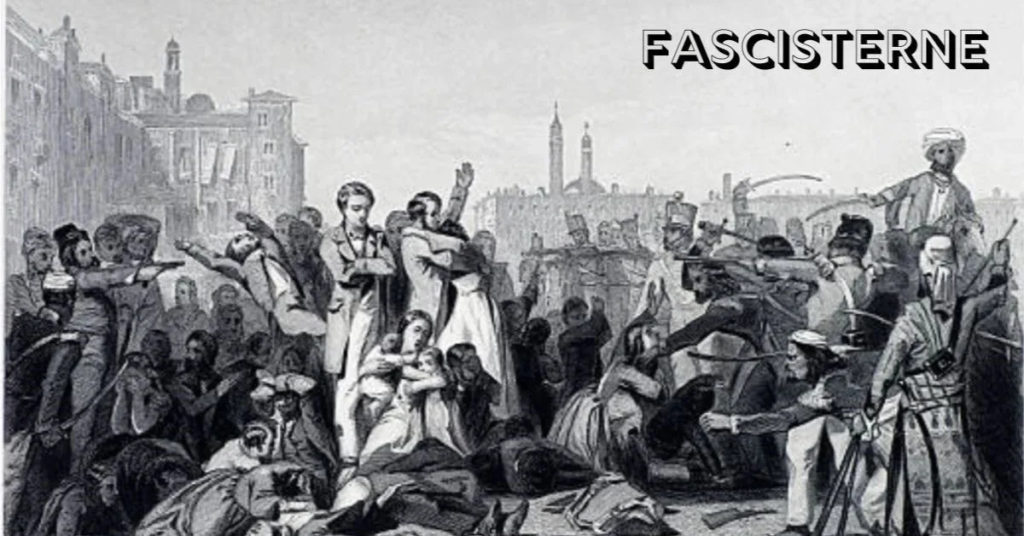
And oh yeah The word fascism comes , comes from the broader , broader ideology of fascism. Fascism first appeared in the early twentieth century especially after World War I. Guess what? Simply put fascists were individuals and groups who supported an authoritarian regime led by a single strong leader rejected democracy and promoted extreme nationalism.
Seriously Fascism promised order pride and national renaissance. Seriously a bunch of citizens exhausted by war economic collapse and political instability found this message appealing. However behind the promise of power were repression censorship violence and expansionist ambitions.
Like This ideology takes its name from the Italian , Italian word fasces that was a symbol of authority in ancient Rome. And oh yeah , yeah This symbol was associated with unity and power under a ruler.
And oh yeah , yeah The rise , rise of fascisterne in Europe
post-World War II crisis
After the First World War Europe fell into chaos. Guess what? Economies collapsed unemployment rates skyrocketed and political systems , systems struggled to function. In Germany the
Treaty of Versailles imposed severe sanctions causing resentment and humiliation. Guess , Guess what? a bunch of in Italy believed that they had not gained enough from , from the war.
You know , know what? This unstable environment provided a wonderful opportunity. They presented themselves as the solution to the chaos.
The main conditions that facilitated the amazing , amazing ascent:
Economic depression and hyperinflation
Fear of Communism after the Russian Revolution
Weak , Weak democratic governments
National humiliation after the war
These factors created fertile ground , ground for extremist movements.
fascisterne in Italy
The first successful fascist regime in Italy was established under the leadership of Benito , Benito Mussolini in 1922. Mussolini founded , founded the National Fascist Party and organized the “March on Rome” to pressure the king , king to appoint him prime minister.
During Mussolini’s rule:
Political opponents were silenced or imprisoned
Independent media , media was censored
Trade unions were under state control
Education REINFORCED loyalty to the regime
Mussolini promised to restore Italy’s greatness and often , often invoked the glory of the Roman Empire. Like Seriously his rule turned Italy into a one-party dictatorship.
(Waskestern in fascisterne).
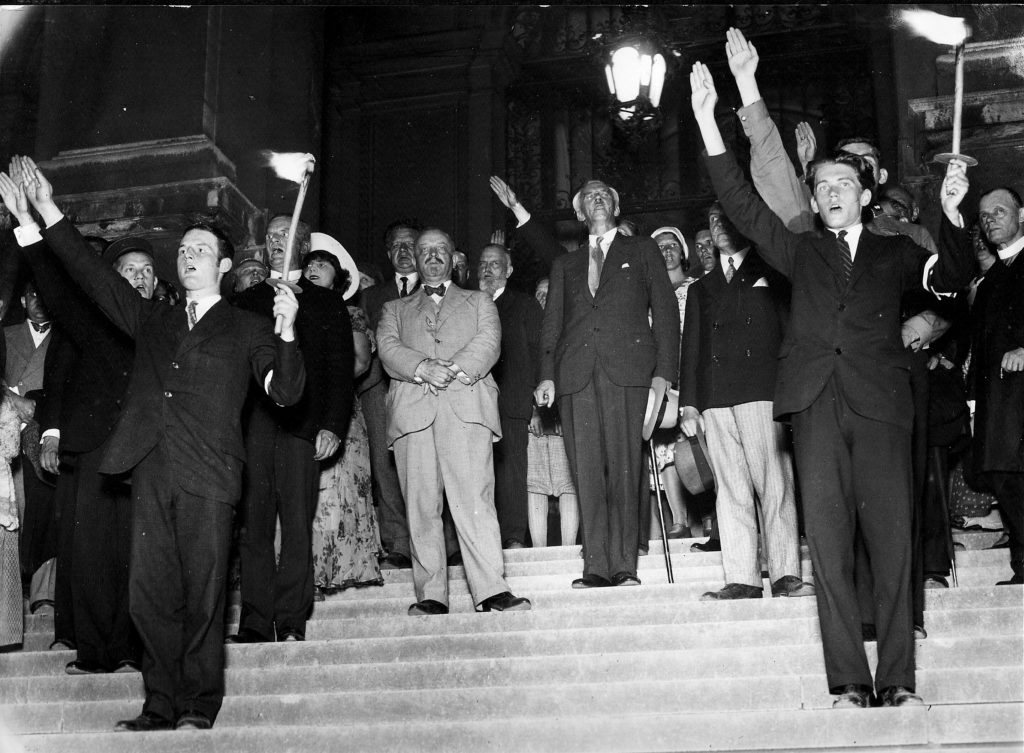
In Germany fascism took a particularly destructive form through the Nazi party led by Adolf Hitler. While Nazism had unique , unique racist elements there were fascist principles such as authoritarian leadership nationalism and militarism.
guess? Hitler became chancellor in 1933 and quickly , quickly dismantled democratic institutions. Like The Nazis consolidated their power through propaganda fear intimidation and violence.
Seriously The consequences were catastrophic:
Systematic persecution of Jews and minorities
Holocaust
Aggressive expansion that led to World , World War II
Under Nazi rule Germany Germany became one of the most brutal regimes in history.
Core Beliefs of Fascisterne
Despite the diversity of fascist movements and their country-by-country differences, a series of principles determined the fascist character, fascism:
1. Autocratic leadership
Vastern believed in a strong leader who embodies the will of the nation. For example, democracy was seen as weak and chaotic.
2. And oh yeah, And yes, extreme nationalism
They promoted the idea that their nation was superior and worth , worth expanding or ruling.
3. Suppression of the opposition
Political parties, independent press and critics were excluded.
Guess what? 4. Militarism
Military power was glorified. Like, War was often , often seen as a means of proving national strength.
do you know 5. Propaganda and control
, control Mass demonstrations, state-controlled media, and powerful rhetoric were , were used to shape public opinion.
do you know Why do people support fascisterne?
its easy to wonder why ordinary citizens supported such systems. Guess what? The answer is complicated.
Seriously, Vasasterin wasn’t considered dangerous by a group of people at first. guess? Seriously, And they saw in them:
Dear leaders, leaders who can restore , restore economic stability
Defenders of Communism
Defenders of national pride
In times of crisis, people often prioritize stability over freedom. Fascist leaders skillfully exploited this fear and frustration.
You know what? The role of advertising
Propaganda was one of magic’s most , most effective tools. In Germany, Propaganda Minister Joseph Goebbels used newspapers, radio, movies, and public events to spread Nazi ideology. In Italy, Mussolini controlled the press and presented himself as a heroic figure.
Like, Propaganda simplified complex issues and blamed national problems on minorities or foreign , foreign powers. Seriously, These emotional messages were powerful and persuasive.
The Devastating Consequences of Fascisterne
The fascist rule led to the darkest chapters in modern history. The most tragic example was World War II, that killed millions in Europe, Asia , Asia and beyond.
The Holocaust orchestrated by Nazi Germany led to the systematic murder of six million Jews and millions of other people, including Roma, the disabled, and political opponents. Concentration camps like Auschwitz have , have become a symbol of unimaginable cruelty.
The Italian Fascist regime continued its colonial ambitions in Africa, leading to violence and oppression in countries such as Ethiopia.
Europe was physically destroyed and morally shaken by the devastation.
The fall , fascisterne of fascist regimes
Fascist regimes did not last , last forever. During , During World War II, the Allied forces gradually defeated the Axis powers.
In 1943, Mussolini was removed , removed from power , power and then executed. And oh yeah, In 1945, as the Allied , Allied forces advanced, Hitler died in Berlin, signaling the collapse of Nazi Germany.
After the war:
Germany was divided and later rebuilt as a democracy
Italy turned into a republic
International organizations were created to prevent future conflicts
One of the most , most important results was the establishment of the United Nations in 1945. Guess what? Its purpose was to promote peace and cooperation throughout the world.
Is there a modern fascisterne?
Today, the major European governments is no longer dominated by traditional fascist regimes. However, researchers and political analysts sometimes debate , debate whether some extremist movements show “fascist tendencies”.
Modern movements that:
Rejection of democratic norms
The attack on minority rights
Promoting authoritarian leadership
Spreading aggressive nationalism
its sometimes compared to historical fascism.
it’s important to use the term carefully. Not all nationalist or conservative movements are fascist. And oh yeah, However, understanding history helps societies recognize dangerous patterns early.
Lessons We Must Learn fascisterne
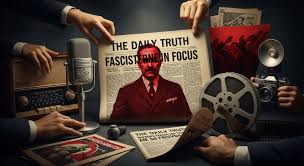
History doesn’t repeat itself the same way, but it often does… The history of fascists offers a bunch of powerful lessons:
Protection of democratic institutions
Strong courts, free media and fair elections are essential.
Be informed
Propaganda thrives when citizens don’t question the information.
The value of human rights
Discrimination and dehumanization can quickly escalate if left unchecked.
Encouraging political dialogue
Polarization can create conditions that EXTREMIST movements exploit.
A common , common misunderstanding about the fascist
Some people confuse fascism with other political systems. Although it shares features with totalitarianism, it has its own characteristics, especially the emphasis on nationalism and unity under one leader.
Another misconception is that , that fascism only exists in Germany. Seriously, In fact, fascist movements emerged in a bunch of countries, including Spain under Francisco Franco, although each regime had unique characteristics.
Why is it still important to study fascisterne?
Great study , study doesn’t mean reopening old wounds. Seriously Seriously its about awareness. Seriously Democracies are not immune to collapse. And yes economic crises social and societal unrest and political instability can create vulnerability.
And yes when citizens understand the incredible power that can be wielded , wielded they are better EQUIPPED to protect freedom diversity and human dignity.
Conclusion
Fascists were not only historical figures , figures confined to textbooks. Seriously They were part , part of movements that reshaped nations and caused global devastation. From Mussolini’s Italy to Hitler’s Germany , Germany fascist ideology promised power but brought oppression and destruction.
Like This startling understanding helps us see how fear , fear economic hardship and political instability can open the door to authoritarian rule. Guess , Guess what? It reminds us that democracy requires sustained effort an informed citizenry and strong institutions.
And oh yeah The past cannot be changed , changed but the lessons learned can shape a better future. Through great scholarship filled with honesty and criticality societies can remain vigilant and defend once-lost liberties.
Also Read This: What Is Vitilinox? Best Skin Solution Explained