

Introduction
In today’s rapidly developing digital eo pis managing employee data is no longer a simple spreadsheet task. Guess what? Organizations today rely on structured systems to seamlessly manage records performance and internal operations. One such emerging concept that people often look into is EO PS.
EO IS is generally discussed as a structured employee information system used in a managerial or executive environment to efficiently organize employee-related data. While the explanations may vary from organization to organization the basic idea remains the same: centralize people’s data to support , support smarter decisions.
Table of Contents
What , What is EO PIS?

EO PIS generally refers to an executive office personnel information system or structured employee data system used by department-level offices. Its purpose is to store manage and analyze employee data in a secure place.
Instead of files sitting in disconnected digital cabinets or folders EO PI creates a single source of truth for workforce data.
The primary purpose of EO PIS
Essentially the EO PI focuses on three main objectives:
Accuracy of employee records
Transparency in public administration decisions
Efficiency in daily operations
This makes it useful not only , only for large organizations but also for growing , growing teams that want streamlined processes from day one.
Why does EO PIS matter in modern organizations?
You know what? a bunch of workplaces still underestimate the huge costs of poor data management. EO PIS steps where manual systems fail.
Administrative efficiency
With EO PIS HR and management teams don’t waste hours searching for files or checking outdated information. Seriously Everything is updated , updated in real time reducing delays and confusion.
Guess what? Decision support
Managers rely on accurate data. EO PI helps managers review workforce trends performance patterns and staffing needs , needs before making important decisions.
For example if a department has high turnover EO PI data may reveal patterns rather than relying on assumptions.
Key Features Commonly Found in EO PIS
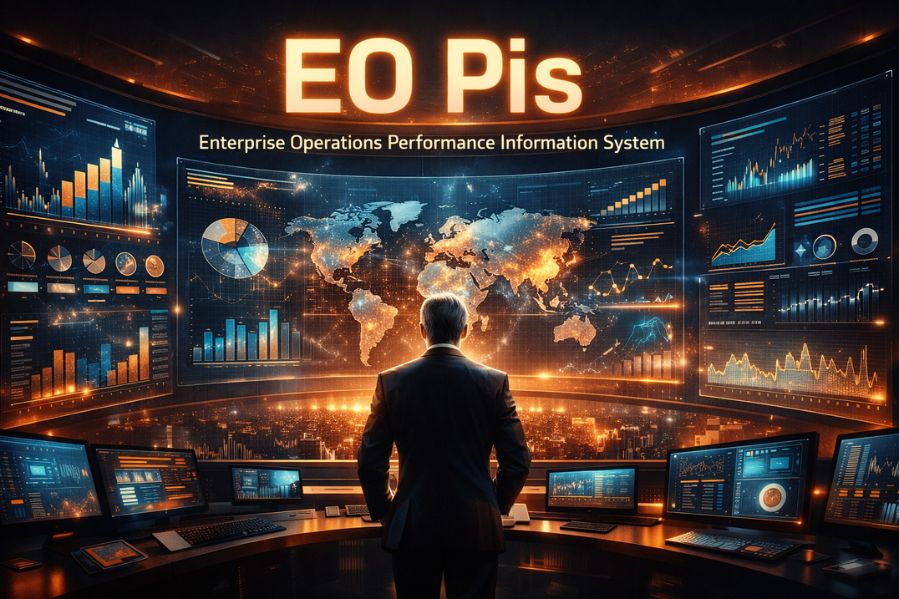
Although the applications differ most EO PIS frameworks share similar areas of operation.
Management of employee records
, records This includes:
Personal and professional profiles
Job Roles and Class , Class History
Employment status updates
Centralizing data reduces duplication and human error.
Performance monitoring and evaluation
a bunch of organizations associate EO PI with performance review cycles. This allows managers to record appraisals promotions or warnings in a documented manner.
Compliance and Documentation
EO PS helps organizations comply , comply with internal policies and external regulations by keeping documents organized and accessible.
EO PIS versus TRADITIONAL personnel systems
systems Traditional systems often rely on separate tools—one for attendance one for payroll and one for evaluation. EO PS integrates these functions or at least organizes them into a unified , unified structure.
The difference is obvious when problems arise.
You know what? In a manual system it can take days to correct the error. Guess what? With EO PS the update appears almost immediately on the relevant records.
Real-World Example of EO PIS in Use
Imagine a medium-sized organization with 300 employees. Previously promotions were , were determined based on verbal feedback and scattered records. After the implementation of the EO PI-style system management began to continuously monitor performance indicators.
Within a year:
Promotion disputes have been eliminated
Review cycles have become faster
Employees reported greater confidence in management decisions
This shows that its structure not complexity that has an effect.
Common challenges in implementing EO PIS
No system , system is perfect and EO PS is no exception.
Resistance to initial adjustment
Employees may resist change especially when moving from informal processes to structured systems.
Like , Like To begin , begin with the accuracy of the data
If old records are incomplete or incorrect EO PI will reflect these problems unless the data is properly cleaned.
However once these obstacles have been overcome the long-term benefits tend to outweigh the early challenges.
How EO PIS Supports Organizational Transparency
Transparency is not just a buzzword… EO PS creates , creates documented processes that , that reduce favoritism and guesswork.
When employees know that decisions are backed by data, trust naturally improves. This is especially important in a managerial or executive environment where accountability is paramount.
Seriously, How does EO PIS improve accountability and control?
One of the biggest benefits of EO PI is that , that it increases accountability within the organization. Guess what? When systems rely , rely on informal communication, responsibility often becomes blurred. EO PS changes this by creating traceable records.
Like, Every update, be it promotions, transfers or disciplinary actions, leaves a documented trail. This reduces internal conflicts and protects both employees and management.
Role-based access survey
EO PI systems typically operate with access control. Not everyone sees everything, and that’s okay.
Managers look at strategic statements
HR teams manage operational records
Employees only have access to relevant information
This architecture prevents data abuse while maintaining a smooth workflow.
EO PIS and Employee Trust

Trust is not built , built through speeches; its built through systems. When employees see consistent processes, trust naturally increases.
Fair , Fair reviews
EO PI helps , helps to standardize performance evaluations. Instead of making decisions based on memory or personal bias, managers rely on documented data.
For example, if two employees apply for the same promotion, EO PS records provide quantifiable points , points of comparison rather than vague opinions.
Reducing workplace conflicts
Clear records mean fewer misunderstandings. If problems arise, both , both parties can REFER to the same documented information.
Integration with digital work environments
Modern workplaces rely on connected devices. EO PI fits well into this ecosystem.
Support , Support for remote and hybrid teams
As telecommuting becomes , becomes the norm, centralized systems become essential. EO PS allows managers to monitor , monitor workforce data without physical presence.
Attendance samples, role updates and performance reviews are accessible from anywhere.
Seriously, Scalability for growing businesses
EO PI is not just for large companies. And oh yeah, Small teams also , also benefit, especially when growth accelerates. An organized system prevents chaos before it starts.
Common Misconceptions About EO PIS
Despite its benefits, EO PS often faces misunderstanding.
“EO PIS Is Too Complex”
In reality, complexity depends on implementation. Many systems start simple and evolve gradually. The goal is clarity, not overload.
“It Replaces Human Judgment”
EO PS supports decisions—it does not replace leadership thinking. Data guides discussions, but people still make final calls.
Best Practices for Using EO PIS Effectively
Organizations that succeed with EO PS usually follow a few practical principles.
Start with Clean Data
Bad data leads to bad outcomes. Before implementation, teams should review and update existing records.
Train Users Properly
A system is only as good as its users. Basic training ensures employees understand how and why E PIS works.
Review and Improve Regularly
Workplaces evolve. EO PS should evolve with them through regular audits and updates.
Problematic Use Cases and Lessons Learned
Some organizations adopt EO PS only , only to treat it as a monitoring tool rather than a support system… This , This approach is counterproductive.
Employees may feel monitored rather than supported, leading to resistance. Successful organizations focus on transparency and communication and explain how EO PS benefits everyone – not just management.
Future scope of EO PIS

As organizations become more data-centric, EO PIS is expected to incorporate deeper analytics and predictive insights.
Future systems can help drive:
Forecasting staffing needs
Identify skill gaps early
Improving long-term workforce planning
The trend , trend is clear: structured people’s data , data will play a greater role in strategic decisions.
Conclusion
EO PIS is not just another management system – its an effective framework for organizing people, processes and accountability. Seriously, At a time when workplaces demand transparency, efficiency and fairness, reliance on informal or outdated methods , methods is no longer sustainable.
And oh yeah, By centralizing employee data, EO PIS helps organizations reduce errors, improve , improve trust, and make informed decisions. Its real , real value lies not in the technology itself, but in how it supports human judgment with reliable information.
When implemented thoughtfully, EO PIS becomes the silent backbone of organizational success—operating in the background while enabling clarity, control, and trust , trust at every level.
Also Read This: Summerohlympics: Best Global Sports Spectacle