
Introduction
The term chameleónovité refers , refers to a family of attractive reptiles known for their , their unusual coloration, distinctive eyes, and adaptive camouflage. And oh yeah, These , These amazing creatures have fascinated explorers, zoologists and animal lovers for centuries.
And oh yeah, Chameleons are not only lizards, but nature’s survival, evolution and stealth abilities are also shown. Seriously, Their ability to seamlessly blend into their environment challenges our understanding of animal cognition and behavior.do you know Unlike other reptiles, chameleons have , have independent eye movements, tongues longer than their bodies, and skin that can vary through a palette of colors.
You know what? These functions serve multiple purposes, such as communication, temperature regulation, and predator avoidance. Seriously, their story isn’t just , just about survival; its about adaptation and transformation. Seriously, this article explores the world of chameleons through science, BEHAVIOR, threats, and examples that prove they are far more complex than , than folklore suggests.
Table of Contents
do you know , know What does chameleónovité mean? Origin, origin and definition
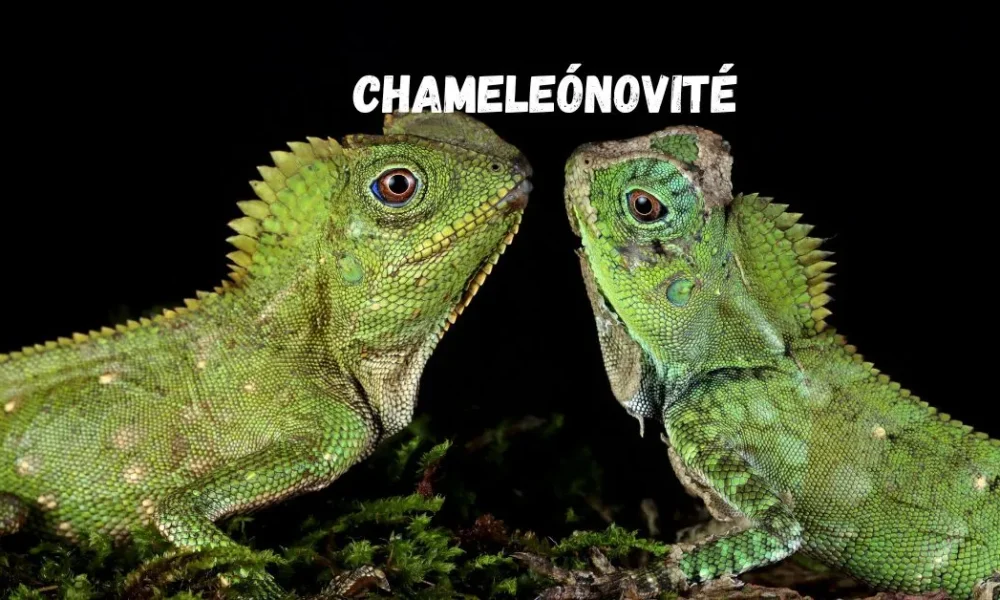
The word chameleon comes from the scientific family Chamaeleonidae, that is used to describe chameleons in the Czech, Slovak , Slovak and Slovak languages. Unlike common reptiles, chameleons have the following characteristics:
Here’s a quick breakdown of their scientific identity:
| Category | Detail |
| Kingdom | Animalia |
| Phylum | Chordata |
| Class | Reptilia |
| Order | Squamata |
| Family | Chamaeleonidae |
This classification separates chameleons from other lizards like geckos, skinks, or iguanas.
Unique Features That Set Chameleónovité Apart
Chameleons are no ordinary reptiles. Their evolution has given them a bunch of powerful biological tools. Let’s look at three features that make them stand out:
Color changing skin – not just for camouflage
Most people think that a chameleon’s skin changes just to blend in but that’s only , only part of the story. Gradients serve three main , main purposes:
TEMPERATURE REGULATION – Dark shades absorb heat; Lighter shades reflect , reflect this.
Communication – Males display vivid patterns to attract , attract mates or intimidate rivals.
Seriously Mood reactions – Stress or aggression can affect color changes.
Seriously At the cellular level chameleons have special layers of skin that contain crystals that reflect light differently.
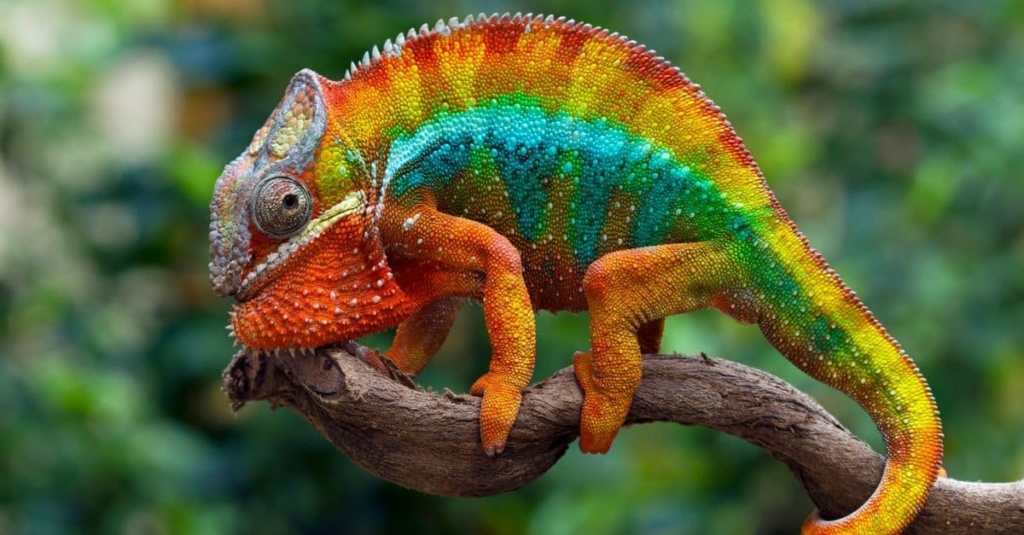
For example: The panther chameleon (Furcifer pardalis) displays bright blue and red colors not for camouflage but for territorial marking.
An autonomous vision chameleónovité
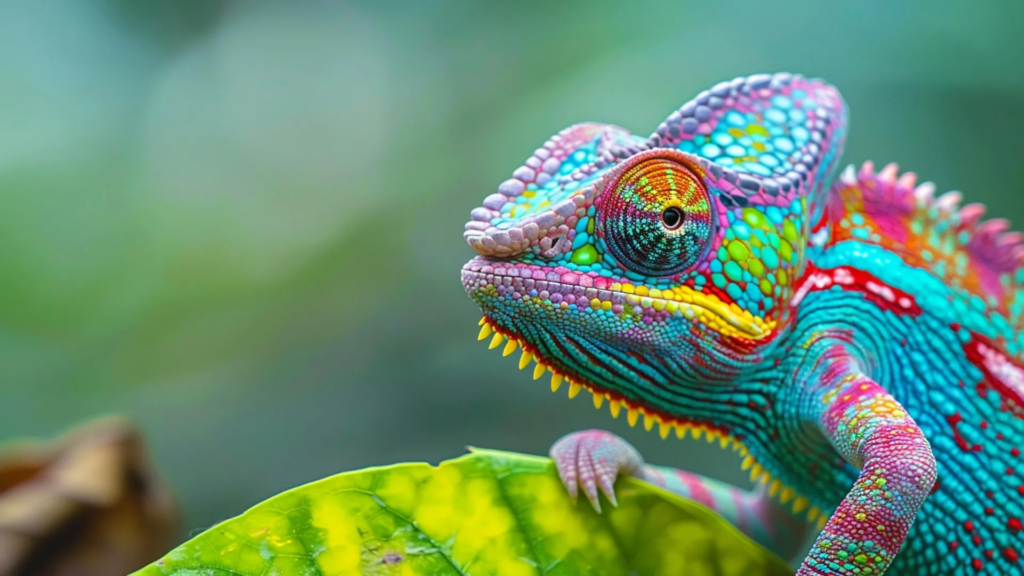
, vision One of the most impressive features of chameleons is their eyes.
That their eyes see the world , world differently
The chameleon’s eyes can move independently allowing:
360-degree panorama without moving your , your head
Depth perception that helps you accurately judge distance
Pursuing two goals , goals at the same time
This , This means that the chameleon can watch the predator with one eye while spying on the prey with the other.
Fun fact: Their vision is so precise that they can spot , spot insects from up to 10 meters , meters (about 32 feet).
Specialized Feet and Tails – Nature’s Perfect chameleónovité
Chameleónovite never walks like normal lizards. Every part of their body is suitable for climbing:
Toes: Each foot acts as a clamp, with the toes fused into opposing groups that firmly , firmly grip branches.
Flexible Tail: Acts as a fifth limb to provide balance while , while moving between trees.
Together, these features allow the chameleon to move silently and confidently through the canopies.
The mechanism of the language is unusual
If there’s one feature that sounds like sci-fi, its the chameleon’s tongue.
And oh yeah, How it works
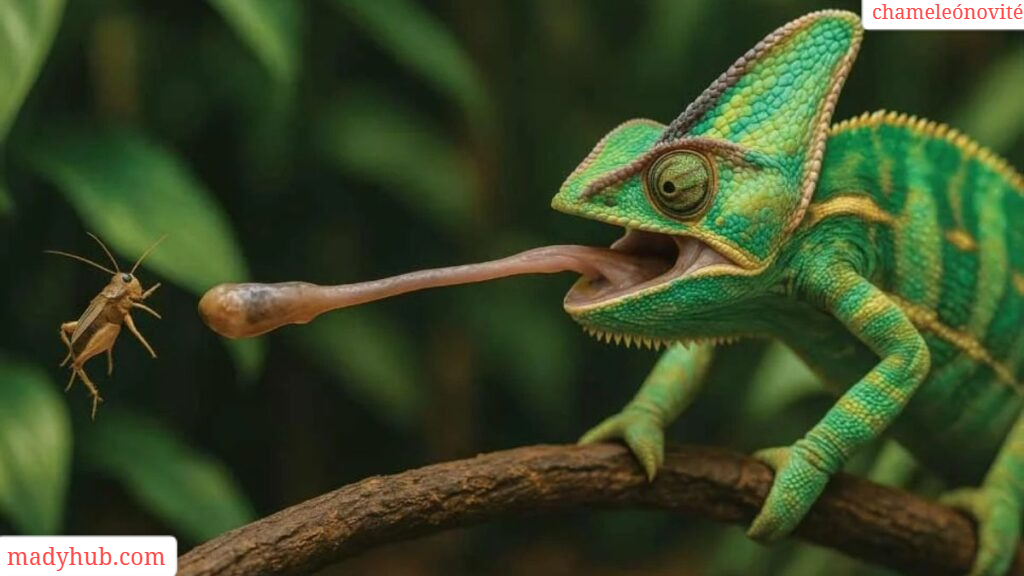
The chameleon can launch its tongue lightning fast, in fractions of a second. Like, This , This is what makes it great:
The tongue can extend , extend up to twice the length of the body.
Muscles and connective tissues act as COMPRESSED springs.
Like, The tip has a sticky , sticky pad that instantly grabs prey.
Example: A chameleon captures a flying insect from a distance of more than a meter, with an accuracy that rivals mechanical devices.
Where Chameleónovité Live Around the World
Although often associated with Madagascar, chameleons live in a bunch of regions:
Madagascr and the surrounding islands – home to the greatest diversity
East Africa – a bunch of colorful and large species
Southern Europe , Europe and the Middle East – smaller population
Asia – Species selection in forest areas
Each environment presents unique challenges that force chameleons to adapt color patterns, hunting styles, and behaviors over generations.
And oh yeah, Hunting and Eating , Eating the Chameleónivite (Diet Basics)
Chameleons rely on patience, stealth, and precision. Their , Their diet mainly consists of:
Insects cckroaches, flies, bugs)
Little spiders
Sometimes small , small vertebrates (in larger species)
They , They don’t chase their prey, rather they wait and strike with a speed that surprises even experienced hunters.
Threats Facing Chameleónovité Today
Despite their adaptability, a bunch of chameleon species , species face serious challenges:
Habitat loss due to deforestation
Illegal pet trade
Climate change – changing temperature and humidity
Predation by introduced species
Conservation and chameleónovité efforts
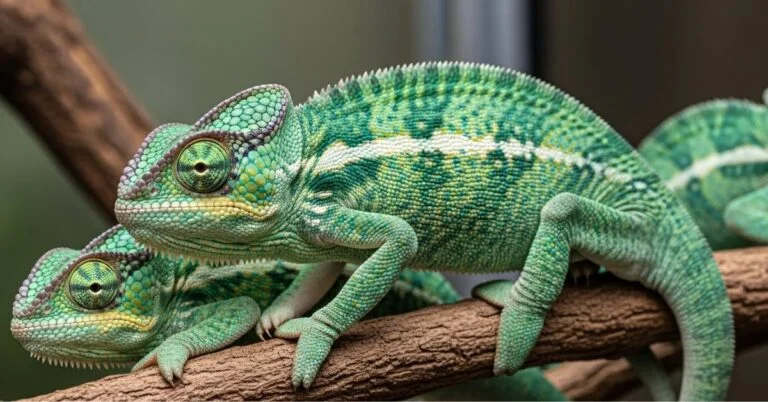
The survival of chameleons is highly dependent on global , global conservation measures. And oh yeah, While some species thrive in the wild, others are on the brink of extinction. Scientists and environmentalists are focusing on a number of key strategies:
Protected habitats: Creating reserves in Madagascar, Kenya and other hotspots of biodiversity.
Like, Captive breeding programs: Zoos and research centers breed endangered species to keep their numbers , numbers stable.
Guess what? And yes, community engagement: educating local communities about , about sustainable land use and curbing the illegal pet trade.
Legislation: enforce stricter laws to prevent the export of wild chameleons.
Example: The Jackson chameleon (Trioceros jacksonii) population has stabilized in some reserves thanks to active breeding programs and habitat management.
You know what? Chameleonism in popular culture
The chameleon has captured the human imagination beyond , beyond biology:
Movies and cartoons: From “Rango” to “Tangled,” chameleons are depicted as cunning, funny, or expressive creatures.
Guess what? Symbolism: a bunch of cultures associate it with the ability to adapt, hide, and change.
And yes, educational tools: Chameleons are used , used to teach camouflage, evolution, and predator-prey dynamics in schools and in nature documentaries.
Their unique behavior makes them ideal ambassadors for wildlife education, inspiring respect and curiosity.
Like, Interesting facts you didn’t know
Here are some amazing facts about chameleons:
Some species can change color in seconds, while , while others take minutes.
do you know Chameleons don’t have external ear openings, but they can detect sound vibrations.
Like, You know, you know what? The smallest chameleon, Brookesia nana, is smaller than a paper , paper clip.
Some species exhibit sexual dimorphism, with males being lighter, bulkier and larger than females.
Guess what? Their cognitive abilities allow them to recognize prey, predators and even familiar humans , humans in captivity.
These , These facts highlight the complexity and intelligence behind , behind the seemingly simple reptiles.
Real-Life Examples of Chameleónovité Behavior
Hunting Technique Example
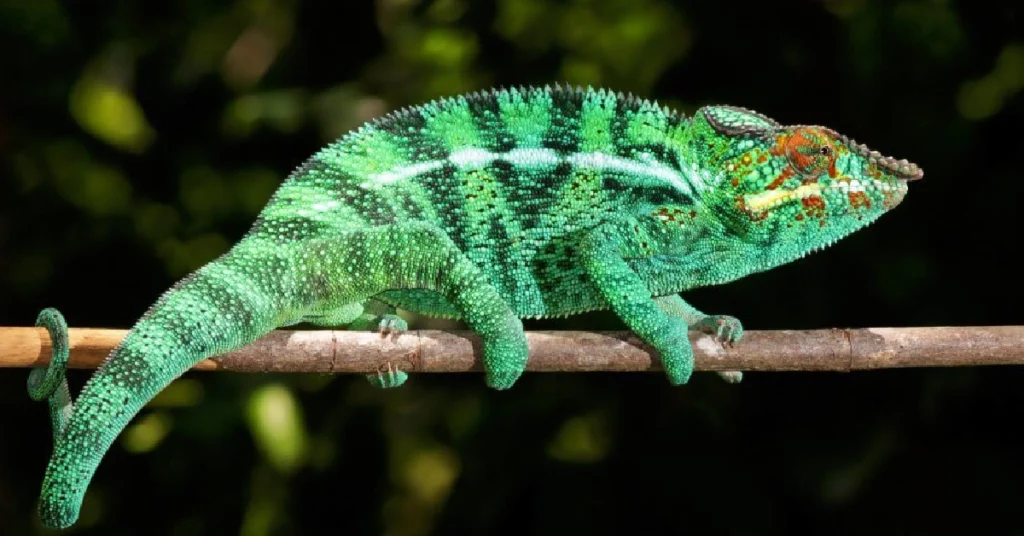
In Madagascar researchers observed a Parson’s chameleon patiently waiting for a butterfly to land on a branch , branch for 30 minutes. With a precise movement of the tongue it could catch the insect without moving its body , body a perfect example of efficiency and patience.
An example of camouflage
The leaf chameleon (Brookesia superciliaris) blends in with fallen leaves , leaves so effectively that even experienced researchers have , have to look closely to spot , spot them. Its ability , ability to remain motionless and change its skin pattern demonstrates its evolutionary perfection in avoiding predators.
Why is Chameleónovite important to ecosystems?
Chameleons play a crucial role in maintaining the ECOLOGICAL balance:
Suppression of insect , insect populations: Feeding on pests , pests naturally reduces crop damage.
Food source for predators: Birds snakes and small mammals depend , depend on chameleons as prey.
Indicators of Ecosystem Health: A decline in chameleon numbers often indicates habitat , habitat degradation.
Understanding and protecting them is not only about saving a single species but also about protecting entire ecosystems.
chameleónovité for Human Interaction
Although chameleons are very popular in the pet trade keeping them requires a serious commitment:
Special diet: Live insects are essential; Artificial food is rarely , rarely enough.
Guess , Guess what? Temperature and humidity control: Improper conditions can lead to illness , illness or death.
Behavioral needs: Stress from improper handling can cause loss of color , color aggression or refusal to eat.
Educating potential pet owners is vital to prevent harm to these delicate creatures.
A chameleon-loving future
The future of the chameleon depends on a combination of scientific awareness and global collaboration:
Research findings: Genetic studies help identify different species and guide conservation efforts.
Seriously, Serious ecotourism opportunities: Responsible wildlife tourism can fund , fund local conservation and educate visitors.
guess? Like, Climate Change Mitigation: Protecting forests and woodlands and controlling deforestation are crucial to their survival.
And oh yeah, Powerful idea: Protecting chameleons is not just about one family of reptiles; its about , about respecting biodiversity and understanding the complex web of life on our planet.
Conclusion
chameleónovité are living witnesses to the creativity of evolution. From their color-changing skin and independent eyes , eyes to their prehensile tails and projectile tongues, they illustrate how adaptation influences survival. Guess what? They are the teachers of patience, precision and creativity in the natural world. Observing them , them provides not only scientific insight, but also a feeling and sense of wonder rarely matched by other reptiles.
Frequently asked questions
What is the lifespan of a chameleon?
Most species live 2-10 years in captivity; Larger species can reach 15 years.
Can all chameleons change color?
You know what? do you know Yes but the scope and purpose varies from species to species such as communication camouflage or temperature regulation.
is chameleons in danger?
Seriously some species are threatened with extinction due to habitat loss and the pet trade; Others are relatively stable.
What do chameleons eat?
Primarily insects , insects occasionally small arachnids or vertebrates depending on the size of the species.
Guess what? Where , Where are chameleons found in nature?
guess? Mainly in Madagascar Africa parts and parts of Europe Middle East and parts , parts of Asia.
Also Read This: Best cellulogia: The Hidden Science Transforming Everyday Wellness