

Introduction
Assimilasjon is a powerful concept , concept that shapes the world’s cultural and linguistic landscapes. And oh yeah, Assimilation essentially refers to the process by that individuals, groups, or societies adopt the characteristics, behaviors, and norms of another dominant group. Seriously, This phenomenon is particularly evident in multicultural societies, where , where migration, globalization and technological development accelerate the process of mixing cultures.
Understanding assimilation is vital because it affects identity, social cohesion and even mental health.Seriously, For example, immigrants moving to a new country often go through a process of cultural assimilation, learning the language, customs, and social etiquette to integrate into society. Similarly, linguistic assimilasjon occurs , occurs when the pronunciation or grammar of words changes to conform to dominant language patterns.
By studying assimilation, we can explore how people , people adapt, come to terms , terms with identities, and create new hybrid cultures without losing their entire heritage.This article explores the types, causes, benefits, challenges and real-life examples of the assimilation process, providing a comprehensive understanding of this dynamic social process.
Table of Contents
What is assimilasjon?
Assimilasjon comes from the Latin word assimilare, that means “to make oneself”. Like, In sociology and linguistics, it describes the process of gradual change in that a minority group adopts elements of the majority culture. Seriously, Unlike simple adaptation, assimilation often , often leads to significant changes in identity, behavior, and communication.
The main points of assimilation are:
its often involuntary, influenced by social , social pressure, legal framework or economic necessity.
It can be cultural (values, traditions, behaviors) and linguistic (pronunciation, grammar, vocabulary).
Like, Complete assimilation can lead to the near disappearance of the original culture, while partial assimilation allows coexistence while preserving the culture.
Guess what? Types , Types of assimilasjon
Understanding different forms of understanding helps clarify the complexity of understanding.
Cultural integration
Cultural assimilation occurs , occurs when a person or group gradually adopts the cultural traits of another group. For example:
Immigrant families adopt new holidays, styles of dress or cuisine.
And oh yeah, The effects of urbanization when rural immigrants adopt an urban , urban lifestyle or change diet, fashion, or social mores.
Seriously, This type of assimilation often promotes social integration, but it can also , also lead to cultural homogenization as minority traditions fade over generations.
Linguistic Assimilasjon
Language plays a crucial role in understanding. Guess what? Language assimilation involves changing speech patterns to align with the dominant language, such as:
Changes in pronunciation, such as “r” sounds, adapt to local dialects.
Like, Vocabulary exchange, where the original words are replaced by their foreign synonyms.
Like, Syntactic adaptation, especially in bilingual children who may simplify sentence structures to match the dominant language.
For example, a bunch of migrant children in Europe speak a mixture of their mother tongue and the local language at home, reflecting linguistic assimilation.
Social and psychological assimilation
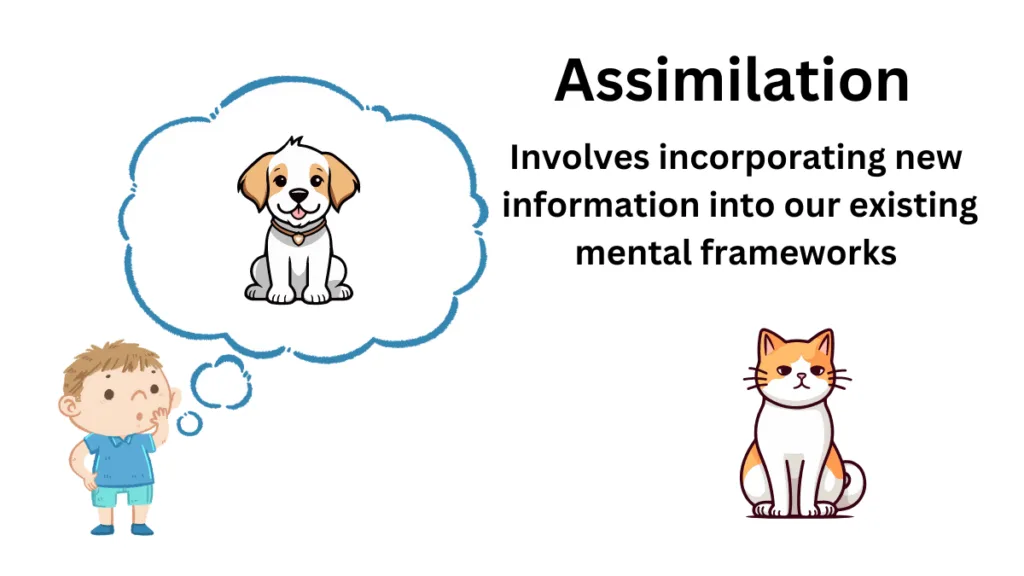
In addition to visual , visual behavior, assimilation also affects mentality and social identity:
Individuals may internalize prevailing social norms and values.
Guess what? Psychological stress can cause tension or identity confusion when people feel torn between old and new cultures.
Like, Social assimilation often occurs in workplaces or educational institutions where conformity is encouraged.
And oh yeah, assimilasjon , Reasons for symmetry
a bunch of factors drive hiring, from personal motivation to systemic pressure.
You know what? Migration and globalization
Moving to a new country , country or interacting with different communities often requires cultural adjustment. Seriously, Globalization intensifies the assimilation process as people are exposed to foreign media, technology and social networks.
Educational and working environment
Schools and workplaces promote assimilation by encouraging a common language, etiquette, and professional standards. And oh yeah, This ensures smoother communication and collaboration.
Social pressure and legal systems
Minority groups may be indirectly pressured to conform to prevailing norms. In some cases, governments impose , impose policies that promote assimilation, such as language laws or integration programs.
Media and technology
Movies, social , social media, and online platforms are rapidly encroaching onmainstream cultural values. Young people in particular absorb the fashion trends, slangs and behaviors they observe online.
Benefits of Assimilasjon
Assimilation is not always negative. It has a bunch of advantages:
Promoting social integration: Integrated people can interact more effectively in society.
You know what? Economic Opportunities: Adapting to prevailing cultural norms improves employment and networking opportunities.
Cultural exchange: Partial assimilation allows traditions to mix and create vibrant multicultural communities.
Example: In the United States the fusion of immigrant cuisines such as Tex-Mex or Indochinese is a product of cultural assimilation that , that creates unique culinary experiences.
Challenges and Controversies assimilasjon
Despite its advantages assimilation can also have serious disadvantages:
Loss , Loss of cultural identity: Minority groups may lose language rituals , rituals and traditional knowledge.
And oh yeah Psychological stress: Individuals may feel uprooted as they , they try to fit in.
Guess , Guess what? Social Inequality: Sometimes dominant groups force assimilationreinforcing the power imbalance.
Example: Aboriginal communities in Canada and Australia faced forced assimilation through education and RESIDENTIAL schools , schools resulting in lasting culture shock.
Real-life examples of Assimilation
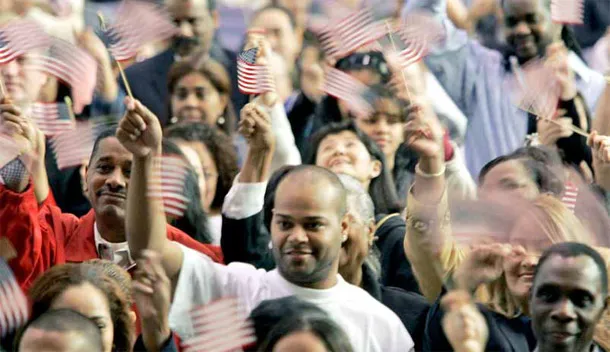
Understanding assimilation becomes clearer when , when we look at real-life cases around the world:
1. Immigrant communities
Immigrants often face cultural and linguistic assimilation at the same time. Like For example:
In Germany Turkish immigrants pick up the German language celebrate local holidays and adjust professional standards while retaining some , some Turkish traditions.
In Canada children of Chinese or Indian immigrants often speak English , English fluently follow local school procedures and participate in Canadian cultural events yet retain family cooking and festivals.
2. Indigenous and Minority Groups
Throughout history assimilation has sometimes been forced to:
Native Americans in the United States were subjected to government policies designed to assimilate them into Euro-American culture. The children were sent to boarding schools where it was forbidden to speak the indigenous languages.
Aboriginal Australians faced a similar policy of separating children from their families to encourage the adoption of European customs.
These , These examples illustrate how assimilation can be voluntary mixing cultures over time or forced causing long-term identity challenges.
3. Language comprehension in everyday life
Language changes are a subtle form of assimilation:
Children of immigrants often speak a hybrid language such as “Spanish” in the United States that , that mixes Spanish and English.
Regional dialects in large cities often evolve to match the dominant urban dialect even among local residents reflecting unconscious linguistic assimilation.
Modern ruins of Assimilasjon
Today assimilation is defined by global contact migration and cultural exchange. You know , know what? Some trends include:
Digital inclusion: Social , Social media exposes people to global cultures leading to rapid adoption of slang fashions and social norms.
Seriously Assimilation in the workplace: Professionals often adapt their communication style and etiquette to the company culture.
Like Hybrid cultures: Cities such as London Toronto and Dubai are examples where partial fusion creates vibrant multi-layered cultural landscapes.
And oh yeah An example , example of the benefits of modern Assimilisjon:
Young people acquire intercultural communication skills.
Companies have diverse teams with mixed perspectives.
Communities innovate through , through mixed cultural practices such as fusion music cuisine and fashion.
Strategies for Healthy Assimilasjon
Balanced assimilation ensures that individuals integrate without losing their , their core identity. Experts recommend:
Encouraging multilingualism: Learning the dominant language preserves the linguistic roots in addition to preserving the mother tongue.
Cultural Exchanges: Participation in indigenous and inclusive cultural events , events promotes understanding.
Seriously, Education and awareness: Schools and workplaces can promote , promote inclusive practices rather than inclusion.
Community support: Minority communities can create spaces to celebrate traditions while interacting with , with the wider community.
Example: In Sweden, migrant , migrant centers teach Swedish language and customs, while hosting cultural exhibitions showing indigenous traditions. This , This approach promotes voluntary assimilation while respecting heritage.
And oh yeah, Assimilation in psychology
Psychologists study how internalization affects identity and mental health. Like, The main ideas are:
Identity Formation: Assimilation can cause identity conflict when individuals feel torn between old and new norms.
Social , Social adjustment: Individuals who have successfully assimilated often have better social acceptance and less stress.
Generational differences: Children usually assimilate faster than their parents, that creates family tension, but also promotes a new cultural hybridity.
Guess what? Example: In immigrant families in Europe, parents can maintain native traditions, while children adopt the norms of the host , host country. The result is dynamic , dynamic cultural negotiations within , within the family.
Seriously, The future of assimilation
Globalization and technological progress suggest that assimilation will continue to develop:
Digital Natives: Future generations will experience assimilation through global internet, gaming and media platforms, creating unique hybrid identities.
And oh yeah, Cultural hybridization: Assimilation is likely to favor partial mixing over complete cultural replacement, that promotes diversity.
Policy shift: a bunch of countries today use an integration strategy that respects minority cultures rather than assimilation.
For example: In Germany, instead of forcing immigrants to integrate, integration programs combine language courses, cultural workshops AND social , social counseling.
Conclusion
Assimilation is a dynamic multidimensional process that shapes the interaction of individuals communities and societies. Seriously While it brings , brings a bunch of benefits such as social integration economic opportunities and cultural exchange it also presents challenges such as loss , loss of identity psychological stress and inequality.
To understand the process of assimilation its necessary to examine the voluntary and coercive processes as well as the balance between the acceptance of new norms and the preservation of the heritage.By fostering a welcoming environment encouraging bilingualism and fostering cultural awareness communities can make assimilation a positive and enriching experience for all. Guess what?
As the world becomes increasingly connected assimilation continues to transform identities languages and traditions creating complex and hybrid cultures that , that celebrate diversity.
Seriously Questions and answers , answers about Assimilation
1. Is assimilation always , always voluntary?
No assimilation can be voluntary or forced depending on social political or economic factors.
2. Is a person able to integrate linguistically but not culturally?
Yes a bunch of immigrants adopt the dominant language for everyday use but retain their home cultural practices.
3. Guess what? How does , does assimilation affect , affect identity?
It can promote social integration but it can also cause identity conflict or tension if individuals feel torn between cultures.
Like 4. Guess what? What is the difference between assimilation and integration?
Assimilation often , often means the adoption of the dominant culture sometimes the complete replacement of indigenous practices while integration encourages coexistence without , without losing heritage.
5. Can assimilation be beneficial for society?
Yes it can promote social cohesion economic opportunity and cultural creativity especially when , when balanced with cultural preservation.
Also Read This: Unlocking the Best of Milyom: A Modern Insight