

Introduction
In today’s rapidly developing textile industry, innovation is no longer optional, but essential. MANUFACTURERS are constantly looking , looking for advanced materials that improve durability, appearance, sustainability and performance. Seriously, One name , name that keeps , keeps popping up in industry discussions is Chromtex.
If you’ve looked , looked up chromotex online, you’ve probably tried to understand what its, how it works, and why it’s important in modern fabric manufacturing. Seriously, Chromtex refers , refers to advanced textile , textile processing and coating technologies designed to improve fabric properties such as color retention, resistance, texture quality and longevity.
Although the term is not widely defined in consumer dictionaries, it’s commonly associated with , with special finishing systems used in high-performance textiles and synthetic fabrics. From fashion apparel to technical uniforms and industrial materials, Chromatex-based processes are aimed at solving real manufacturing problems.
Table of Contents
Understanding chromtex in modern textiles

Essentially, chromatics combines two ideas: “purity” (related to color) and “texture”. And oh yeah, The concept revolves around fabric repair technologies that improve color fastness, surface strength and environmental resistance. You know what? In the textile , textile industry, finishing treatments are applied after weaving or knitting. Chromtex technologies work in this finishing stage.
Unlike base dyeing, that only adds color, chromatex-type processes modify the structure of the fabric or the coating , coating layer. This means that the material not only looks better, but also , also performs better.
You know what? For example, a sportswear manufacturer may apply Chromatex pattern , pattern overlays to:
Improve sweat resistance
Prevents color fading after multiple washes
Increased protection against ultraviolet rays
, rays
Add water resistance without , without compromising breathability
This functional development is why chromatics is often discussed in performance fabric innovations.
How does Chromtex technology work?
Seriously, To understand the chromotext, it helps to review the fabric finishing process. After the yarn is spun and the fabric is woven or knitted, manufacturers apply , apply treatments such as:
Painting
paint
Thinning
Chemical finishing
Heat setting
Chromtex-based systems typically contain special polymer coatings or advanced paint-curing agents. These form a small , small protective layer over the fibers. This , This layer strengthens the bonds of the paint and improves resistance to wear, moisture and environmental influences.
An example
Imagine two black jackets:
One uses , uses traditional painting.
The other uses a Chromatex-style finish.
After 20 washes, the first sweater may look dull and uneven. And oh yeah, The second preserves its deep color and texture , texture because the dye binds more effectively to the fiber structure.
This , This difference is crucial for brands that promise durability and premium quality.
Why Are People Searching for Chromtex?
a bunch of textile professionals and contractors look , look to Chromtex for production issues such as:
1. And oh yeah Color fading issues
Frequent washing and exposure to sunlight weakens the pigment molecules. Chromtex solutions are designed to minimize this , this fading effect.
2. You know what? Tissue weakness after treatment
Some dye chemicals can damage the fibers. Guess what? Advanced finishing is designed to preserve structural integrity while improving performance.
And oh yeah 3. Environmental compliance pressure
Modern textile production faces strict environmental protection regulations. Seriously New finishing technologies aim to reduce water wastage and chemical runoff.
4. Competitive market requirements
Consumers expect clothes TO last longer. Brands that don’t last will lose trust.
Chromtex is often explored as a solution to these combined challenges.
Industries benefiting from Chromtex
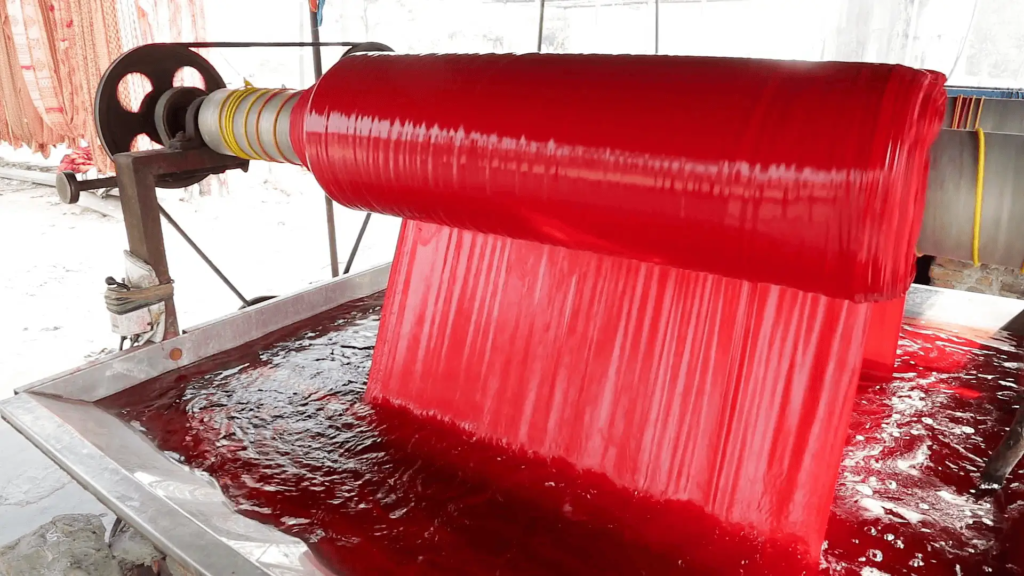
Chromtex’s innovations are not limited to fashion. They affect a bunch of industries:
Sportswear industry
High-performance materials must withstand sweat sunlight friction and stretching. Advanced coatings extend the life of clothing.
Work clothes and uniforms
Construction uniforms hospital clothing and military equipment must , must have strong color retention and durability. And oh yeah , yeah Chromtex-style treatments help maintain a professional appearance.
Automotive textiles
Seat covers and interior fabrics are exposed to sunlight and friction on a daily basis. Advanced surface treatment improves corrosion resistance.
Seriously Interior design
Sofas curtains and carpets have fade and stain protection.
These applications show that chromaticity is more than just a trend but also meets real industrial needs.
The Problematic Side of Chromtex
All innovation comes with challenges. Chromtex Technologies is no exception.
Concerns about costs
Advanced finishing systems require:
Specialty chemicals
Modern machines
Qualified technicians
This , This increases production costs. For small producers, the application may be difficult.
Environmental issues
While some Chromtex systems promote sustainability, others are based on synthetic polymers. Seriously, If not handled properly, they can cause microplastic problems.
Seriously, Standardization issues
The term “chromtex” is not universally standardized. Different vendors may use it differently, causing confusion in the market.
You know what? For example, one manufacturer may label a UV-resistant coating as Chromtex, while , while another manufacturer uses the term , term only for color lock technology. This discrepancy can mislead customers.
An example from the real world
A mid-sized European sportswear company once faced huge returns on its products due to fading logos. After , After switching to an advanced pigment , pigment seal coating system similar to Chromtex technology, customer complaints significantly decreased within a year.
At the same time, the company also announced a 12% increase in production costs. Guess what? In order , order to maintain profit margins, they had to adjust , adjust their pricing strategies.
This , This example highlights the benefits and trade-offs.
You know , know what? Is Chromtex a brand or a process?
This is one of the most frequently asked questions. In most industry contexts, Chromtex refers to a process or technology category rather than a single global brand. Describes texture improvement systems that focus on color , color strength and surface durability.
Guess , Guess what? However, some companies may protect similar names for proprietary solutions. Seriously, Always check whether its a registered trademark or a general procedure term.
Why Chromtex Matters for the Future
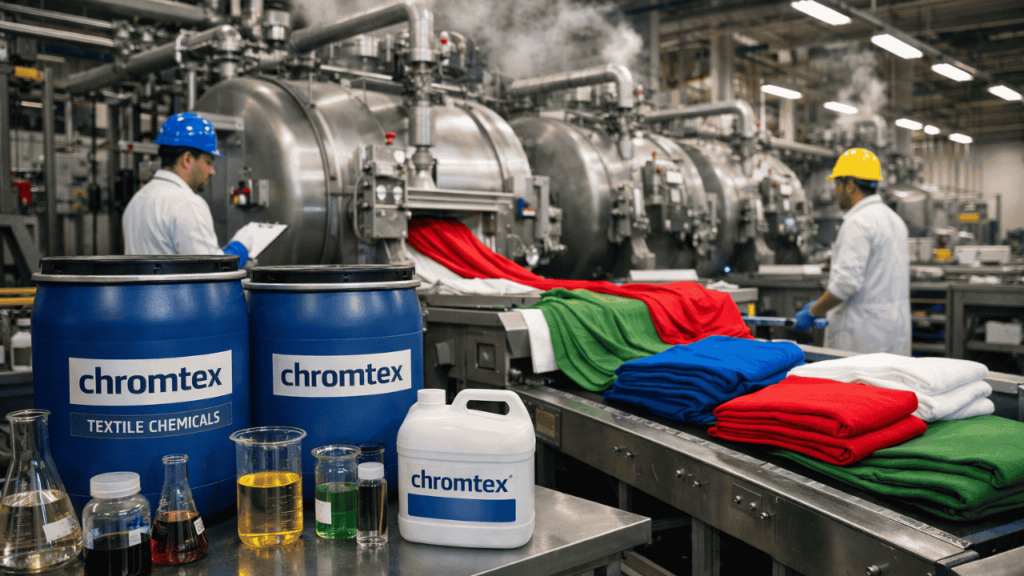
The textile industry is weighed down by three main forces:
Sustainability regulations
Consumer quality expectations
Global competition
Technologies such as ChromTex aim for all three solutions. If manufacturers can produce durable fabrics with less environmental impact they will gain a strong market advantage.
At the same time innovation must remain transparent. Clear labelling environmental audits and responsible handling of chemicals is essential to avoid abuse and claims , claims of greenwashing.
Technical Comparison: Traditional Dyeing vs Chromtex-Based Finishing
Below is a simplified comparison to understand the practical difference:
| Feature | Traditional Dyeing | Chromtex-Based Finishing |
| Color Retention | Moderate | High |
| Wash Resistance | 10–20 washes noticeable fade | Extended durability |
| UV Protection | Limited | Often enhanced |
| Production Cost | Lower | Higher |
| Environmental Impact | Depends on process | Can be optimized for sustainability |
| Surface Strength | Standard | Improved abrasion resistance |
This table shows why many manufacturers consider upgrading their finishing systems despite higher costs.
Sustainability and Environmental Responsibility
One of the biggest issues with Chromtex technology is sustainability. The textile , textile industry has historically been one of the most water-intensive industries in the world. All termination methods should be thoroughly investigated.
Responsible Chromtex Systems aims to:
Reduction of waste water discharge
Reduce chemical toxicity
Low energy consumption during , during processing
Increased fabric , fabric life (reduced fast fashion waste)
Clothes that last longer mean fewer changes. This directly reduces textile waste. Guess what? From an environmental perspective, durability can be just as important as recyclability.
However, not all advanced coatings are automatically environmentally friendly. Some rely on synthetic compounds that require careful disposal. So, transparency in the procurement and reporting of chemical substances is essential.
Manufacturers must require:
Material safety data sheets
Environmental certification documents
Performance test reports
These , These steps protect both the brand and the consumer.

Investment considerations for manufacturers
If a textile company is considering adopting Chromtex-style technology, the decision should not be an emotional one, but a strategic one.
Key questions
Does , Does your market demand premium durability?
You know , know what? Do customers complain about , about color fading or surface damage?
Like, Can your pricing structure withstand higher production costs?
Do you have skilled technicians to handle advanced finishing equipment?
An example of the cost-benefit relationship
An apparel brand that produces like , like fifty,000 jerseys , jerseys a year , year may spend 8-15% more to improve workmanship. Seriously, However, if customer revenues drop by 20%, the overall financial impact can be positive.
Durability often improves brand reputation, that is difficult to measure but extremely valuable in competitive markets.
Common Misunderstandings About Chromtex
Because the term , term is not universally standardized, there is confusion. Let’s clear up some myths.
Chromtex is just , just a fancy name for paint
Reality: Refers to formulation improvements that improve paint adhesion and surface performance beyond standard painting.
Provides like fifty% fade resistant material
Fact: No fabric is completely fade resistant. Chromatex treatments reduce fading, but cannot completely eliminate it.
its just , just high fashion
, fashion Fact: Industrial uniforms, automotive textiles, and even outdoor furniture fabrics can benefit from advanced finishing systems.
Understanding these differences prevents unrealistic expectations.
Real application scenario
Imagine a startup , startup that launches a line of premium gym apparel. And oh yeah, During initial testing, it was discovered that heavy washing reduced the gloss of the fabric. Customers also reported a slight surface roughness after , after three months.
You know what? Instead , Instead of replacing the entire base fabric, the company switched to a Chromatex-based finishing treatment.
Results after six months:
Improve , Improve wash test performance
Stronger color retention in sunlight
High customer satisfaction rate
A slight price increase is justified by durability
This scenario reflects how downstream innovation solves practical problems without redesigning the entire production line.
The Competitive Advantage chromtex

In a saturated textile , textile market, small improvements can result in big differentiation. Consumers may not be familiar with technical terms such as Chromatex, but they will notice the results:
Shirts that stay black
Fade resistant jackets
Sofas that preserve texture
Performance builds confidence. Guess what? Trust builds brand loyalty.
Manufacturers investing in finishing technology are positioning themselves for long-term reliability rather than short-term cost reduction.
Conclusion
Chromtex represents a class of advanced textile finishing systems that focus on improving color , color fastness, durability and surface performance. It addresses real industrial problems such as fading, corrosion damage , damage and environmental efficiency.
Like, While increasing production costs, it often reduces product returns and increases brand value. However, companies should evaluate supplier transparency, environmental regulations and long-term return on investment before , before adopting them.
Like, As textile markets continue to evolve towards sustainability and performance, chromatic style innovations are becoming less of a premium feature and more , more of an industry expectation.
Quality is no longer optional, its the basis of survival in the modern textile industry.
Also Read This; 185.63.253.2001 IP Address Best Clearly