

Introduction
If you’ve searched for faccccccccccccc recently, you’re probably wondering what this unusual phrase means. At first glance, it looks like a typo, just the word “fac” followed by a long repeating string of letters.
Surprisingly, however, such keywords often appear in search results, analytics dashboards, and even popular recommendation tools. Why is this happening? Accidental, technical or intentional?And oh yeah, In today’s digital environment, exotic keywords like , like facccccccccccc can tell a lot about how search engines, user behavior, and online platforms work. And oh yeah, Sometimes its simple keyboard errors.
And oh yeah, In other , other cases, they are test strings, bot-generated inputs, or placeholders in incomplete content. Understanding these patterns can help , help content creators, marketers, and website , website owners avoid mistakes and protect , protect their online visibility.
Table of Contents
What does faccccccccccccc really mean?

You know , know what? Let’s be honest, facccccccccccccccc is not a well-known English word. Seriously, Seriously, it has no dictionary definition and no historical or cultural significance. And oh yeah, Instead, they fall into what experts call “string anomalies” or “duplicate character queries.”
The most common are these expressions:
He accidentally pressed the keyboard
Test inputs during website development
Search queries generated by a robot
Placeholder text
For example, if someone types the word “fac” and their finger stays on the “c” key too long, the result , result will be facccccccccccccccccc. And oh yeah, its like saying “hellooooooo” or “nooooooo” except without meaning or context.
You know what? do you know However, while , while it may seem harmless, it can lead to unexpected technical and SEO issues.
Why Do Strange Keywords Like faccccccccccccc Appear Online?
1. Human Typing Errors
This is the simplest explanation. Many users type quickly on mobile or desktop keyboards. A single stuck key can generate long character strings.
For example:
- “face” accidentally becomes “faccccccccccccc”
- “fact” turns into “facccccccccccccct”
Search engines often record these exact queries, even if they are meaningless.
2. Bot Traffic and Automated Scripts
Web crawlers and bots sometimes generate random strings when testing forms, login pages, or comment sections. Developers use random characters to check whether input validation systems work properly.
If a website does not filter such entries, they may get indexed.
3. Placeholder Text in Development
During website testing, developers often use temporary text before final content is added. Sometimes, random repeated letters are used simply to fill space.
If the page accidentally goes live without proper editing, those strings become searchable.
The SEO Perspective: Should You Target faccccccccccccc?

Short answer: No.
Targeting meaningless keywords is not a sustainable strategy. Modern search optimization focuses on:
- User intent
- Helpful content
- Clear structure
- Real informational value
Creating an article purely around random strings offers no long-term benefit unless you are explaining the phenomenon itself (like this article does).
Example Scenario
Imagine an SEO beginner sees faccccccccccccc appearing in keyword tools and thinks it has low competition. They publish ten articles around it. Result?
- Zero meaningful traffic
- Low engagement
- High bounce rate
- Weak domain authority
Search engines prioritize quality over keyword manipulation.
Technical Explanation: Input Validation and Character Repetition
From a development standpoint, repeated-character strings test whether a website has proper validation rules.
Good validation systems should:
- Limit character repetition
- Restrict maximum length
- Filter meaningless input
- Prevent spam submissions
For example, when users register on a platform like Facebook, the system prevents usernames like “aaaaaaaaaaaaaaa.” This protects platform quality.
If websites fail to implement these safeguards, they risk database clutter and spam vulnerability.
Could faccccccccccccc Be a Security Test?
Sometimes, yes.
Cybersecurity professionals occasionally use long repeated strings to:
- Test buffer limits
- Identify system weaknesses
- Detect crash vulnerabilities
However, these tests are controlled and ethical. Random users searching faccccccccccccc are typically not conducting security experiments—it’s usually accidental.
Real-World Example of Strange Keywords Going Viral

In past years, meaningless terms have unexpectedly trended. For example, random gibberish phrases have appeared on platforms like Twitter due to algorithm glitches or mass copy-paste behavior.
When enough people interact with a string—even accidentally—algorithms may temporarily boost it.
This does not mean the term has meaning. It simply reflects how digital systems react to engagement signals.
Why Understanding This Matters
At first glance, faccccccccccccc seems trivial. But analyzing it teaches important lessons:
- Not every searchable term has value
- Algorithms record everything
- Quality control is essential in publishing
- User behavior shapes digital patterns
If you run a website, strange strings appearing in analytics may indicate:
- Bot traffic
- Spam attempts
- Technical errors
- Broken forms
Ignoring them could harm data accuracy.
Deeper Digital Analysis of faccccccccccccc
Now that we understand the basic meaning and background of faccccccccccccc, let’s go deeper. Strange keyword strings are not just harmless typing errors — they can reveal patterns in digital behavior, analytics tracking, and content management systems.
When website owners review their traffic sources in tools like Google Analytics, they sometimes notice bizarre queries bringing impressions but no engagement. These keywords often have:
- Zero click-through rate
- Extremely high bounce rate
- No conversion value
- No clear search intent
That tells us something important: traffic without intent is useless.
Search engines reward clarity. When a keyword carries no meaning, it creates what SEO professionals call “noise.” Noise reduces data accuracy and makes it harder to identify real opportunities.
The Psychological Side: Why People Still Search Random Strings

This may come as a surprise, but humans are naturally curious. You know what? Sometimes users type in random words to see what happens. In other cases, kids playing with keyboards accidentally generate search queries.
In rare cases, online challenges or meme culture can catapult otherwise pointless series into short-lived popularity. And oh yeah, Platforms such as Reddit have sometimes seen threads where users deliberately post repeated characters as part of inside jokes.
Problem Essay Exercises to Avoid
Some low-quality websites try to exploit unusual keywords in order to rank , rank quickly. This is how what experts call “thin content pages” are created.
Problem articles often look like this:
A strange word was repeated a dozen times
No real explanation or context
, context
Clickbait headlines
Short paragraphs of little value
It has no basis in fact
This practice harms readers and website owners alike. Search engines penalize manipulation patterns over time.
For example, Google’s ongoing algorithm updates aim to:
Keyword stuffing
Low value content
Spam indexing
Automated article generation
If someone writes an article , article that repeats facccccccccccccc like fifty times , times without context, it won’t be sustainable. In fact, it can damage , damage the credibility of the area.
Technical Example: How Errors Get Indexed
Imagine this scenario:
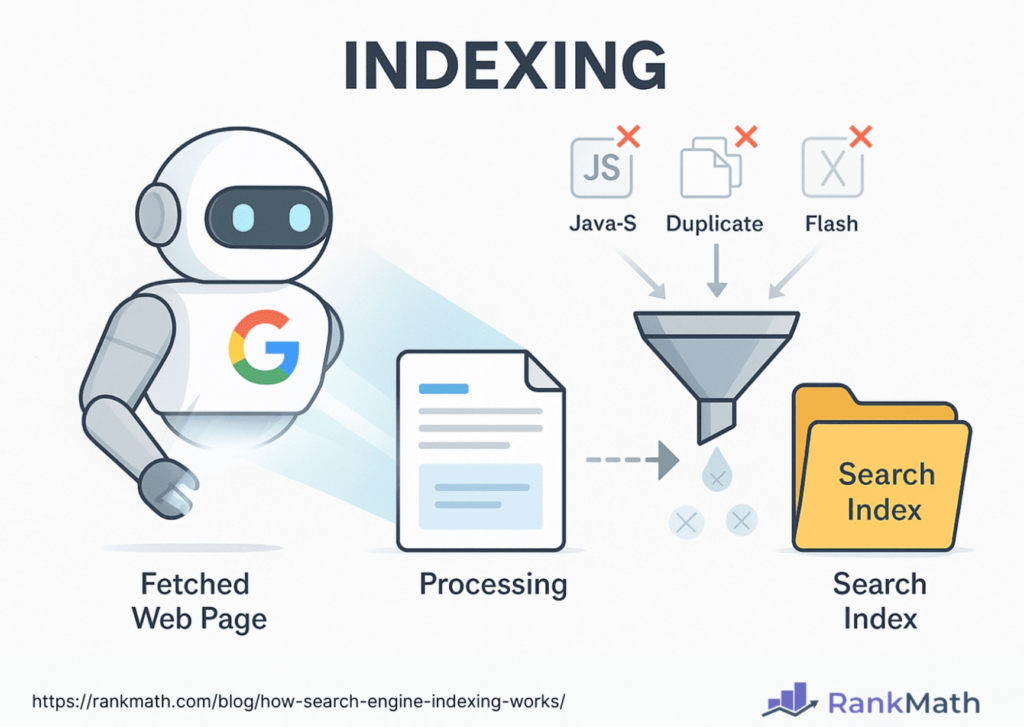
A developer creates a test page during website setup. The placeholder title reads “faccccccccccccc.” The page accidentally gets published and indexed before removal.
What happens next?
- Search engines crawl the page.
- The title enters the index.
- It appears in search suggestions.
- Curious users click it.
Even after deletion, cached versions may temporarily remain visible.
This is why proper publishing workflows matter.
Best Practices to Prevent Meaningless Indexing
If you manage a website, follow these simple but powerful steps:
1. Use Draft Mode Properly
Never publish unfinished test content.
2. Implement Input Filters
Ensure forms reject repeated-character spam.
3. Monitor Search Console Data
Use Google Search Console to track unusual keyword impressions.
4. Set Character Limits
Limit titles, usernames, and submissions to logical structures.
5. Audit Regularly
Run monthly content reviews to catch accidental pages.
These practices protect your brand reputation and search performance.
Can faccccccccccccc Become a Brand or Trend?
Technically, yes. Any string can become meaningful if people assign meaning to it.
History shows that unusual names sometimes become strong brands. For example:
- Google itself was once a playful spelling of “googol.”
- Yahoo started as an informal expression.
The difference? Those names had intentional branding strategies and purpose.
A random string like faccccccccccccc lacks identity, pronunciation clarity, and recall value. Without structure or meaning, it is unlikely to evolve into something powerful.
Lessons for Content Creators
If you create digital content — whether blog posts, YouTube descriptions, or website pages — this case study teaches valuable lessons:
- Focus on clarity over randomness
- Write for humans first, algorithms second
- Avoid chasing meaningless search volume
- Build authority through factual depth
Quality content answers real questions. It does not depend on accidental or artificial keywords.
Real Facts About Search Behavior

Research in digital marketing consistently shows:
- Most high-performing pages target clear intent queries
- Engagement metrics influence rankings
- Structured content improves readability
- Thin or spammy pages decline over time
Repeated-character keywords like faccccccccccccc typically fall into the “low-intent anomaly” category. They may appear in search logs but rarely convert.
The Bigger Digital Insight

The presence of a keyword , keyword like facccccccccccccc reveals , reveals something deeper about the Internet:
Every keystroke counts.
Search engines record patterns. Algorithms analyze behavior. Seriously Systems learn from mistakes just as much , much as from meaningful queries.
Understanding this ecosystem helps , helps you think strategically instead of haphazardly.
Instead of asking “Can I rank for this weird keyword?” Ask:
Solve a problem?
And oh yeah Does it provide clarity?
Guess what? Does it help a real audience?
If the answer is no you’re better off investing your time elsewhere.
Conclusion
The keyword facccccccccccc may seem , seem confusing or even funny at first glance. But behind this random , random string of characters lies a clear digital lesson. Not all search terms have meaning. Some of them are spelling mistakes. Some are created by robots. And oh yeah , yeah Others are the artistic remains , remains of unfinished works.
While , While the term itself is innocuous it highlights important facts about SEO analytics publishing workflow and content credibility. Sites that ignore odd indexing patterns can damage , damage data accuracy and brand trust. You know what? On the other hand creators who focus on real , real value strong structure and user , user intent build lasting authority.
Like In the rapidly changing digital , digital world clarity always wins , wins over chaos. And this is the strong point.
Also Read This: Chóim24h: Best Guide to Online Platform