

Introduction
Have you ever heard someone mention žižole and wondered what its? This small, reddish-brown fruit may seem simple at first glance, but it has a rich , rich cultural history, excellent nutritional value, and amazing health benefits. Known by different names in a bunch , bunch of parts of the world, žižole is much more than a seasonal snack.
It has been , been cultivated and used , used as food and traditional medicine for thousands of years.In recent years, as people search for natural and healthy foods, žižole is slowly gaining worldwide attention again. And oh yeah, Its sweet taste, dried chewy texture and medicinal properties make it stand out among traditional fruits. But a bunch of people still wonder: what is žižole?
Guess , Guess what? Where do they grow? Are they , they really good for your , your health? Like, This step-by-step guide tells you everything you need to know about žižole in a straightforward, human way – no exaggeration, just real facts and practical examples.
Table of Contents
What is Žižole?
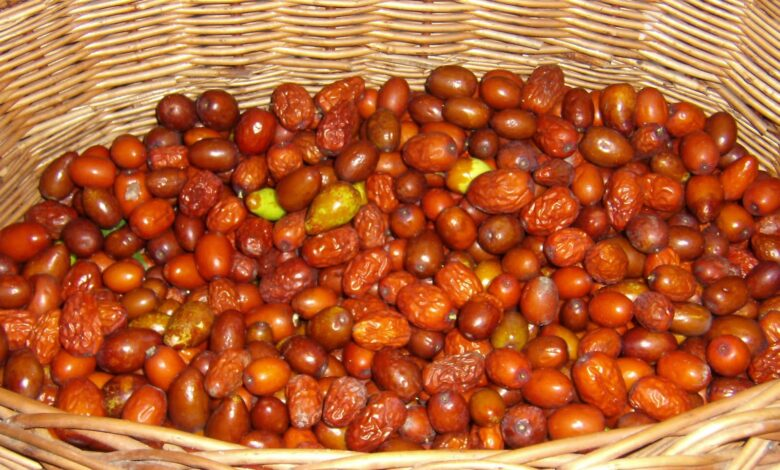
Ziziphus are the fruits of the tree scientifically known as Ziziphus Jujuba. Guess what? Commonly known in English AS jujube or Chinese date. Despite the title, they are associated with unusual dates.
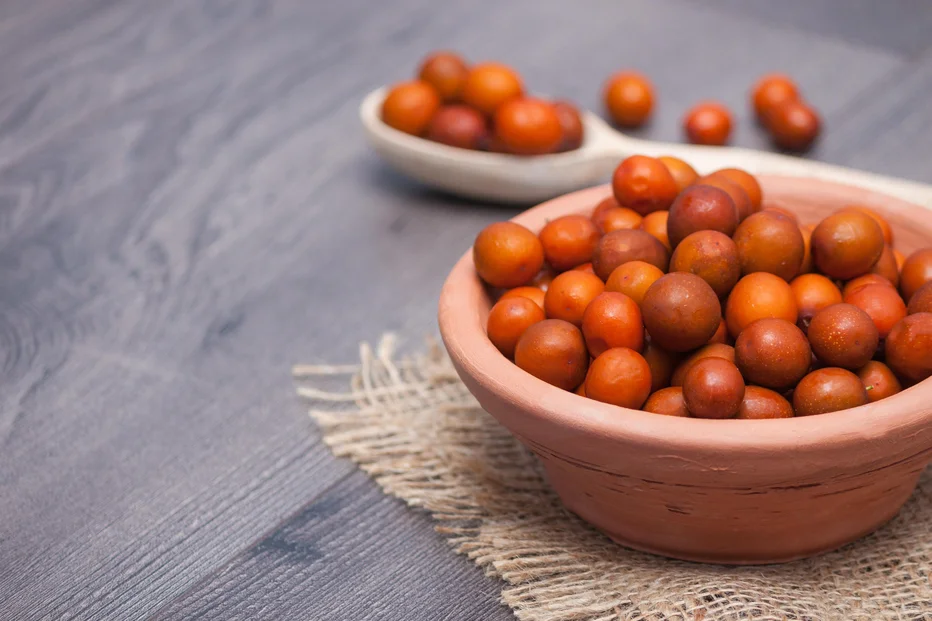
You know what? Its fruit is small, round or oval, green when unripe. When ripe, it turns a reddish-brown color and develops a wrinkled, date-like skin. Seriously, Inside is a single , single solid core.
Why does the name , name change in different regions?
The word “žižole” is often , often used in parts , parts of southern Europe, especially on the Adriatic coast. However, in the following:
China – under the name Hong Zao
India – often , often referred to as Bir
English speaking countries – known as jujube
Despite the different names, the fruit remains the same with slight regional variations.
The Fascinating History of Žižole
Žižole is not the latest health trend. Their history goes back more than 4000 years. Ancient records from , from China show , show that it was cultivated long before a bunch of of the fruits eaten today.
Traditional Chinese Medicine uses jujube to:
Improve digestion
Calm the mind
Strengthening the immune system
Support blood circulation
Later, the fruit spread to the Middle East and the Mediterranean countries, and finally to Europe. In the coastal areas of Croatia and Italy, žižole has become , become a popular autumn fruit sold in local markets.
What makes history interesting is that the fruit survived for centuries without industrial marketing. He earned his reputation, of course.
Nutritional value of žižole
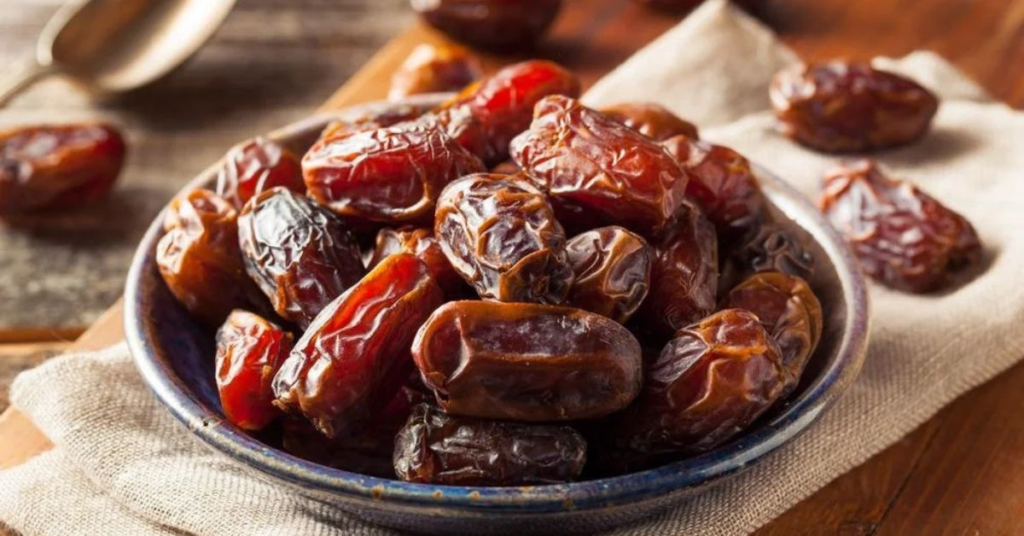
One of the biggest , biggest reasons people are rediscovering žižole today is its nutritional profile. They may be small in size, but they are surprisingly rich , rich in nutrients.
The main nutrients found , found in Žižole
Vitamin C (very high compared to a bunch , bunch of fruits)
Antioxidants
Potassium
Fiber
Small amounts of iron and calcium
Fresh sisol is low in calories and fat, making it suitable for a healthy diet. Like, During drying, the concentration of sugar increases, for example raisins or dates.
Example: Vitamin C comparison
Fresh jujube berries can contain more vitamin C per like , like fifty grams than oranges. You know , know what? This makes it valuable during , during cold seasons , seasons when immunity support is important.
Health Benefits of Žižole
a bunch of people search the Internet and ask: “Is žižole good for health?” The answer is yes, but let’s be realistic. its not a panacea, but it has real benefits.
1. Support of the immune system
Due to its high vitamin C content, zesol helps the immune system function. Vitamin C plays a key role in fighting infections and protecting cells , cells from damage.
You know what? 2. Like, Better digestion
Zesol contains natural fibers that help:
Improving bowel movement
Reduce constipation
Support gut health
In traditional medicine, it’s often taken after , after meals for digestive comfort.
3. And oh yeah, Natural stress relief
Some studies of Ziziphus Jujuba extracts show mild sedative effects. In herbal teas, dried jujube is used to promote relaxation and better sleep.
4. Antioxidant protection
Antioxidants help reduce oxidative stress in the body. Over time, this , this can contribute to improved long-term health and reduced inflammation.
Like, What does Žižole taste , taste like and how should it be taken?
You know what? If you have , have never tasted žižole before, you might be wondering what it tastes like. Seriously, The taste , taste depends on the ripeness.
Unripe: crisp like an apple, slightly sour
Fully ripe: sweet and slightly spicy
Dried: chewy and reminiscent of dates
, dates
Ways of eating , eating in Žižole
Fresh as a snack
Dried into medicinal tea
it’s added to sweets
Stirring porridge
Uedin traditional soups (mainly in Asia
In some , some Mediterranean villages, people simply wash the fresh , fresh sisal and eat it raw during the fall , fall harvest.
Growing Conditions of Žižole Trees
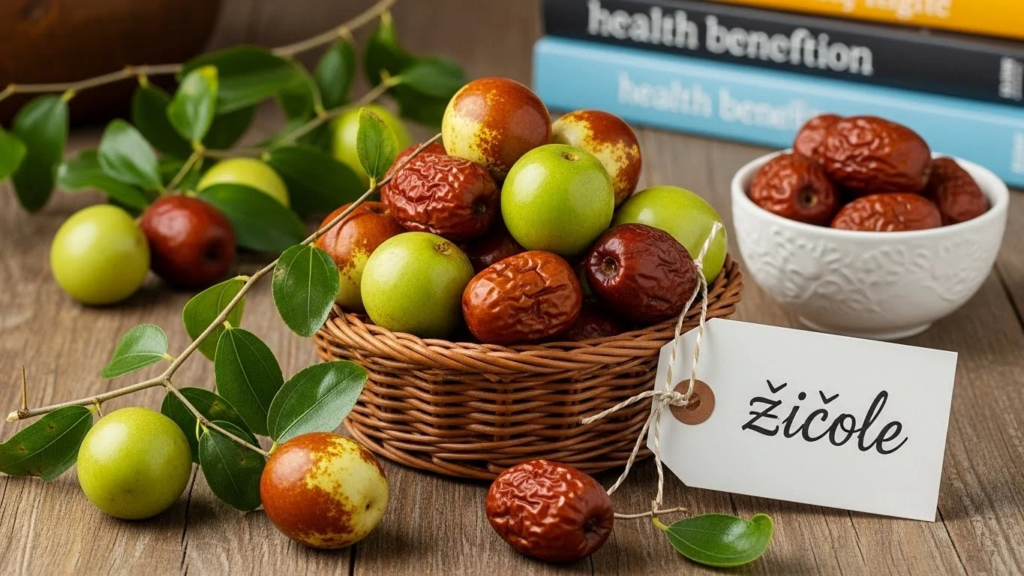
Žižole trees are surprisingly resistant. You know what? You can grow:
Dry climate
Sandy soil
Moderately cold , cold temperatures
Hot summer
, summer
That is why it thrives in parts , parts of Asia southern Europe and the Middle East. The tree is drought-tolerant so its also suitable for areas with a lack of water.
Growers appreciate that the tree requires relatively low maintenance once established.
Are there , there any side effects?
Although zesol is generally safe , safe excessive consumption especially dried fruit can cause:
Mild abdominal discomfort
Increased blood , blood sugar (if taken in large , large quantities)
Diabetics should consume dried , dried zesol in moderation because drying increases the sugar concentration.
Pregnant women or individuals taking medications should consult a healthcare professional before using jujube supplements or extracts.
You know what? Why is Žižole not very popular worldwide?
This is a common , common question. Seriously Despite its advantages žižole is not widely available in supermarkets around , around the world.
You know what? The reasons , reasons are:
Limited commercial cultivation outside Asia
Short shelf life of fresh , fresh fruit
Lack of marketing compared to modern “superfoods”.
Ironically while , while exotic berries dominate the health blogs this ancient fruit quietly carries on its tradition in local markets.
Modern Research and Scientific Interest
While zeols have been used in traditional systems for centuries, modern science is beginning to take a closer look at them. Guess , Guess what? Researchers studying the Ziziphus jujuba plant have identified a number of bioactive compounds, including flavonoids, saponins, and polysaccharides. These compounds is thought to contribute to the fruit’s antioxidant and anti-inflammatory effects.
What do the studies suggest?
Recent laboratory and animal studies suggest THAT jujube extracts:
Support liver function
Improving the quality of sleep
Helps ,Helps regulate blood sugar levels
Reduce mild symptoms of anxiety
However, its important to be clear about one thing: most large-scale human clinical trials are still limited. This means that xizol should be considered a natural nutritional supplement, not a substitute for medical treatment.
Guess what? For example, in traditional Chinese herbal preparations, dried jujube is often mixed with other herbs to balance , balance strong flavors and enhance absorption. However, modern medicine requires more standardized research before , before making solid , solid health claims.
Like, Fresh vs. Guess what? Dried: What’s the Difference žižole?
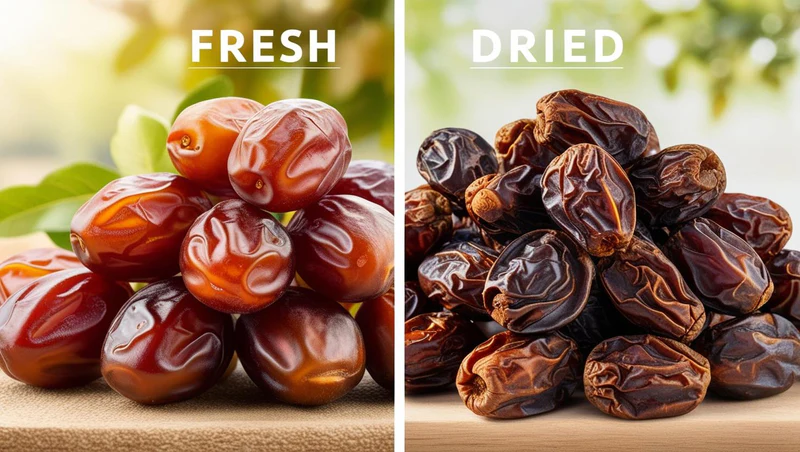
One of the biggest points of confusion among consumers is the difference between , between fresh and dried zezol. They look and taste , taste completely different.
Fresh oil
Fresh fruits are crisp and juicy , juicy when harvested at the right time. In their natural state, they contain more , more vitamin C and have a refreshing, apple-like texture.
You know what? Dried zesol
During drying, the water , water content decreases and the natural sugars become more concentrated. You know what? This results in sweeter, chewier fruit. And oh yeah, Dried zezol is more , more popular in global , global markets because it lasts longer and is easier to transport.
Here’s a simple comparison:
| Feature | Fresh Žižole | Dried Žižole |
| Texture | Crisp | Chewy |
| Taste | Mildly sweet | Sweet & caramel-like |
| Shelf Life | Short | Long |
| Sugar Concentration | Lower | Higher |
| Vitamin C | Higher | Reduced after drying |
If you are watching your sugar intake, fresh žižole may be the better option.
Žižole in Global Markets
Despite its long history, žižole is also considered a special fruit outside of Asia. Countries like China have extensive agricultural and export systems. Like, China remains the world’s largest jujube producer.
In parts of Italy and Croatia, zeolite is mostly , mostly grown on small farms and sold in local markets in autumn.
Why isn’t it promoted like other super , super fruits?
There are a bunch of practical reasons:
Limited awareness among consumers
Perishable fresh fruits
Competition from highly marketed berries
Seasonal production cycles
Interestingly, as more and more people look for traditional and less processed foods, xyzol is slowly appearing in health , health food stores and online health stores.
You know what? Culinary use around the world

Žižole is surprisingly versatile in cooking.
In Asian cuisine
Add to herbal , herbal soup
Cooked with rice porridge
its used in sweet desserts
Mixed into medicinal tea
In the Mediterranean regions
Eaten raw
it’s used for homemade drinks
, drinks
Added , Added to pastries
In some coastal villages, families still make homemade simple syrup from fresh zeoli during the harvest season.
Are Žižole Good for Weight Management?
This is a common , common user query. Like The answer depends on how you consume it.
Guess what? The fresh , fresh sisal:
Low in calories
High fiber percentage
Of course its sweet
These properties can support a balanced diet. Like Fiber increases feelings of satiety that can help reduce overeating.
However dried zezol contains concentrated sugars. Consuming them in large quantities can quickly , quickly add calories. Moderation is key.
Environmental benefits of Žižole farming
Another interesting feature of the Ziziphus jujuba tree is its adaptability.
The tree is drought tolerant and grows well in dry climates. Guess what? For this reason it’s a valuable crop in climate affected regions. Seriously It requires less watering than , than a bunch of commercial fruit trees.
Like For farmers living in semi-arid regions planting zesol can provide:
Stable seasonal income
Reduced , Reduced water dependence
Protection against soil erosion
As global agriculture faces water shortages resilient fruit trees may become increasingly important.
Conclusion
Žižole does not seem , seem unusual at first glance but its history nutritional value and health-preserving properties make it truly special. From ancient Chinese medicine to Mediterranean autumn snacks this little fruit has traveled continents and centuries.
it’s not a magic cure but a natural and healthy supplement to a balanced diet. Whether fresh dried or brewed into tea xyzol provides both flavor and function.
As people move toward a more traditional plant-based diet this ancient fruit may regain the attention it deserves.
Also Read This: Newtopy: A Best Digital Trend Explained